

Puppy Hiccups: Why Does My Puppy Have Them?
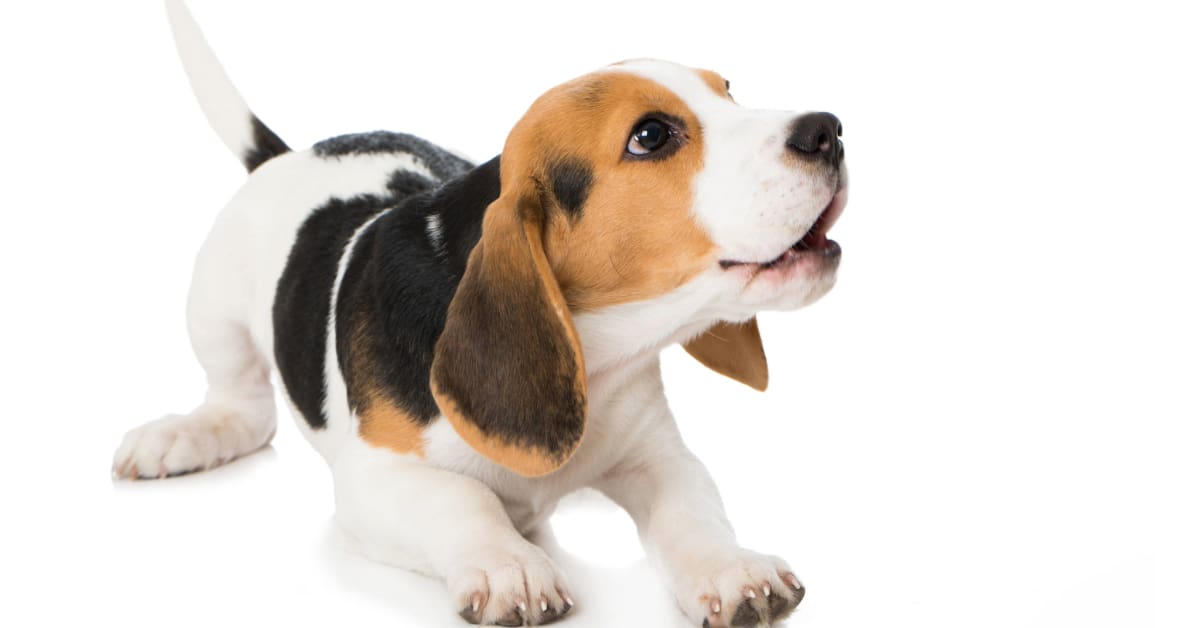
Puppy hiccups happen when a puppy’s diaphragm contracts involuntarily and repeatedly, usually triggered by eating too fast, excitement, or swallowing extra air during play. If your puppy has suddenly started making that rhythmic little hic-hic-hic sound, you’re far from alone. It’s one of the more common questions our team at Partners Animal Hospital Fruitville hears from new puppy owners, right up there with teething and potty training. The sound can be startling the first time you hear it, especially paired with a puppy’s whole body twitching slightly with each hiccup. In this blog, we’ll explain what triggers puppy hiccups, whether they’re something to worry about, how long an episode typically lasts, and when it makes sense to loop in your veterinarian.
What Causes Hiccups in Puppies?
Puppy hiccups stem from involuntary spasms of the diaphragm, the muscle that separates the chest cavity from the abdomen and plays a central role in breathing. When that muscle contracts unexpectedly, it produces the familiar hiccup sound.
Eating and Drinking Too Quickly
One of the most frequent culprits behind puppy hiccups is speed eating. Puppies who gulp down food or water quickly often swallow extra air along with it, and that trapped air can irritate the diaphragm enough to trigger a hiccup episode.
Excitement and Overstimulation
High-energy play sessions, sudden bursts of excitement, or even a particularly thrilling game of fetch can bring on puppy hiccups. The rapid, shallow breathing that comes with excitement seems to make puppies more prone to diaphragm spasms than calmer moments do.
Because puppies are still developing their coordination around eating, breathing, and general body control, they tend to experience hiccups more often than adult dogs do. Breed doesn’t appear to play a major role in how often puppy hiccups show up, though smaller breeds and brachycephalic puppies, such as French bulldogs or pugs, sometimes seem a bit more prone to episodes due to their shorter airways.
Temperature changes can factor in as well. Some puppies hiccup after moving between a warm indoor space and cooler outdoor air, similar to how a sudden shift in air temperature can trigger hiccups in people.
Are Puppy Hiccups Normal or a Cause for Concern?
For the vast majority of puppies, hiccups are a completely normal part of development and nothing to worry about. Puppy hiccups tend to resolve on their own and rarely indicate an underlying health problem.
Why Puppies Hiccup More Than Adult Dogs
Young puppies have less muscle control over their diaphragm compared to fully grown dogs, which makes puppy hiccups more frequent in the first several months of life. As a puppy matures and their nervous system develops further, hiccup episodes typically become less common.
What Makes Hiccups Different From Other Symptoms
It’s worth distinguishing ordinary puppy hiccups from other sounds that might resemble them, such as reverse sneezing or coughing. Hiccups produce a rhythmic, evenly spaced sound, while coughing or reverse sneezing tends to sound more irregular or forceful.
Signs that puppy hiccups are within the range of normal include:
- The hiccups stop on their own within a reasonable amount of time
- Your puppy continues acting like themselves, playing and eating normally
- There’s no visible distress, gagging, or difficulty breathing alongside the hiccups
Most puppies experience hiccups from time to time without it ever becoming a health concern, similar to how hiccups affect humans occasionally without any lasting impact.
How Long Do Puppy Hiccups Usually Last?
A typical episode of puppy hiccups lasts anywhere from a few minutes up to around twenty minutes before resolving on its own. Duration can vary depending on what triggered the episode in the first place.
Short Episodes From Excitement or Air Swallowing
Hiccups triggered by excitement or gulping air during play tend to be on the shorter end, often clearing up within five to ten minutes as a puppy calms down and breathing returns to a normal rhythm.
Longer Episodes From Fast Eating
Puppy hiccups linked to fast eating can sometimes stretch closer to twenty minutes, particularly if a puppy swallowed a significant amount of air along with their food. Even on the longer side, these episodes still generally resolve without any lasting effects.
If hiccups regularly stretch well beyond this range or happen multiple times throughout the same day, it’s a reasonable prompt to mention the pattern during your puppy’s next visit to Partners Animal Hospital Fruitville. Keeping a loose mental note of when episodes happen, such as right after meals or during especially rowdy play, can also help your veterinarian spot a pattern more quickly if one exists.
When Should I Call the Vet About My Puppy’s Hiccups?
While puppy hiccups are usually harmless, certain patterns or accompanying symptoms are worth flagging to your veterinarian rather than waiting them out at home.
Frequency and Duration Red Flags
Puppy hiccups that last significantly longer than twenty minutes, happen many times per day, or seem to be increasing in frequency over time deserve a conversation with your veterinarian. These patterns can sometimes point toward an underlying issue that goes beyond typical developmental hiccups.
Accompanying Symptoms Worth Watching
Hiccups paired with other symptoms change the picture considerably. Reach out to your veterinarian at Partners Animal Hospital Fruitville if puppy hiccups come with any of the following:
- Labored breathing, wheezing, or gasping between hiccups
- Vomiting or gagging that seems connected to the episode
- Noticeable lethargy or a puppy who seems unwell overall
- Hiccup episodes that keep recurring throughout the same day
Trust your instincts. You know your puppy’s normal behavior better than anyone, and a quick call to the clinic can offer peace of mind either way. Our veterinary team would much rather field a call about a hiccup episode that turns out to be nothing than have an owner wait too long on something that needed attention sooner.
A Common Puppy Quirk Worth Understanding
Puppy hiccups might catch you off guard the first few times, but for most puppies, they’re simply a quirky, harmless part of growing up. Our team at Partners Animal Hospital Fruitville is always available to answer questions about hiccups, digestion, or anything else that comes up during those early puppy months.
If something about your puppy’s hiccups seems different from what’s described here, schedule a visit with Partners Animal Hospital Fruitville so one of our veterinarians can take a closer look and rule out anything more serious. Most of the time, though, a hiccuping puppy is simply a puppy being a puppy, and the moment usually passes faster than you’d expect. Call us at 941-297-0884 or make an appointment today.
Recent Posts
About Us
At Partners Veterinary Group, we believe in energizing our team members through shared values, while helping them create value for our clients and patients. Knowing we can help make pets' and people's lives better motivates us to continually strive for excellence and love what we do.
Our team consistently works to build educational, supportive, and cooperative work environments that cater to positive experiences and professional growth. We're constantly evolving, creating innovative ways to deliver cutting-edge medicine to our patients. We equip our teams with tools to enhance their skills and improve their knowledge.