

What Kitten Shots Does My Pet Need and When?
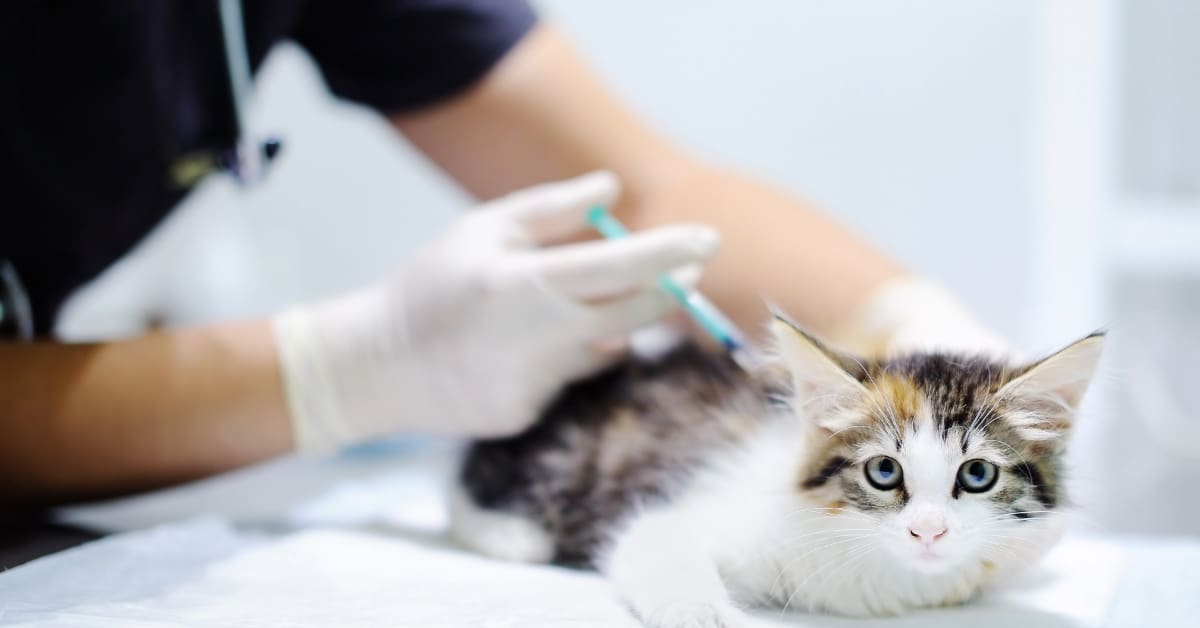
When should a kitten start getting vaccinated, and which shots actually matter most? Kitten shots typically begin around six to eight weeks of age, with a series of boosters carrying through to about sixteen weeks old. At Partners Animal Hospital Fruitville, one of the most common questions among new kitten owners is simply where to start. Between core vaccines, optional protections, and a schedule that seems to change every few weeks, it’s easy for a first-time cat owner to feel overwhelmed. This blog breaks down exactly which kitten shots your new companion needs, the timing behind each one, and why veterinarians insist on multiple rounds rather than a single visit.
What Core Vaccines Do All Kittens Need?
Veterinarians classify certain kitten shots as core because nearly every cat, indoor or outdoor, faces some risk of exposure to the diseases they prevent. These illnesses spread easily and can be especially severe in young, developing immune systems.
FVRCP: The Feline Distemper Combo
FVRCP stands for feline viral rhinotracheitis, calicivirus, and panleukopenia, three highly contagious conditions bundled into one combination vaccine. This shot is considered the single most important of all kitten shots because panleukopenia alone can be fatal within days if a kitten isn’t protected.
Rabies Requirements for Cats
Florida law treats rabies vaccination as mandatory for cats just as it does for dogs. Most kittens receive this vaccine around twelve to sixteen weeks old, and it becomes an annual or triennial requirement afterward depending on the vaccine type used.
A complete set of core kitten shots typically covers:
- FVRCP (rhinotracheitis, calicivirus, panleukopenia)
- Rabies, mandated under Florida law for all cats
- An initial physical exam to catch any underlying health concerns early
Cats who never step outside still need these protections. Panleukopenia can travel indoors on clothing or shoes, and rabies exposure can happen through an open window, a screened porch, or a visit from a bat. Relying on an indoor-only lifestyle to skip kitten shots leaves a dangerous gap in protection that most owners don’t realize exists until it’s too late.
Does My Kitten Need the Feline Leukemia Vaccine?
Feline leukemia virus, or FeLV, is one of the more serious diseases veterinarians screen for when recommending kitten shots. Unlike the core vaccines, this one depends heavily on a cat’s future lifestyle and exposure risk.
Who Should Get the FeLV Vaccine?
Kittens who will spend any time outdoors, live in multi-cat households, or come from a shelter with unknown exposure history are usually strong candidates for the FeLV vaccine. A quick blood test can confirm a kitten hasn’t already contracted the virus before the vaccine is administered.
Indoor-Only Kittens and FeLV
Cats who will remain strictly indoors for life carry a much lower risk, which is why some veterinarians treat FeLV as optional rather than core for this group. Still, plans change, and a kitten who seems destined for an indoor life today might end up on a porch or catio down the road.
Talk with your veterinarian about FeLV if your kitten fits any of these situations:
- Frequent outdoor access, even supervised time on a porch or balcony
- Living with other cats whose vaccination and health history is unknown
- Coming from a shelter, rescue, or unknown background before adoption
Because FeLV spreads through close contact like grooming, shared bowls, and bite wounds, multi-cat households benefit from discussing this addition to standard kitten shots even if the kitten currently stays indoors full time.
What Is the Recommended Kitten Vaccination Schedule?
A kitten’s immune system develops in stages, and the vaccination calendar reflects that gradual process. Understanding the general timeline helps owners plan ahead rather than scrambling to catch up on missed kitten shots.
Starting Around Six to Eight Weeks
The vaccination series usually begins once a kitten reaches six to eight weeks of age, often coinciding with the first veterinary wellness visit. This early appointment typically includes the first FVRCP dose and a general health screening.
The Full Booster Timeline
From there, kitten shots continue on a fairly predictable cadence. A common breakdown looks like this:
- First visit: six to eight weeks, initial FVRCP dose plus wellness check
- Second visit: ten to twelve weeks, FVRCP booster and FeLV testing or vaccination if appropriate
- Third visit: fourteen to sixteen weeks, final FVRCP booster and first rabies vaccine
Spacing between rounds generally stays close to three to four weeks, though your veterinarian may adjust the exact interval based on a kitten’s health, weight, or how the first dose was tolerated. Sticking as closely as possible to this rhythm keeps kitten shots working the way they’re designed to.
Kittens adopted mid-series, whether from a shelter, breeder, or rescue, sometimes arrive with partial vaccination records or none at all. In those cases, your veterinarian typically restarts or continues the kitten shots timeline based on age rather than assuming prior doses were given correctly. Bloodwork can occasionally help confirm existing immunity, but starting fresh is often the safer route when records are incomplete or unverifiable.
Why Does My Kitten Need Booster Shots?
It might seem redundant to vaccinate a kitten multiple times against the same diseases, but there’s a biological reason behind the repetition. A single dose given too early often isn’t enough on its own.
How Maternal Antibodies Interfere
Nursing kittens absorb antibodies from their mother that offer temporary protection, but those antibodies also block vaccines from working effectively while they’re still present. Since nobody can pinpoint the exact week those antibodies fade in an individual kitten, veterinarians schedule kitten shots in overlapping rounds to make sure at least one dose lands after maternal protection wears off.
What Happens Without Enough Boosters
A kitten who receives only one round of shots might walk away with little to no real protection if maternal antibodies were still active at the time. Repeating the series across several visits closes that gap and builds immunity that actually holds up against exposure.
Falling behind on scheduled kitten shots creates real risk, particularly for young cats who are naturally curious and prone to exploring new environments, other animals, and outdoor spaces before their immune system is fully prepared. A kitten who slips outside unexpectedly or meets an unfamiliar cat needs functioning immunity already in place, not protection still weeks away from completion.
Rescheduling a booster by a day or two rarely causes problems, but letting weeks pass between visits can undo earlier progress. When gaps stretch too long, a veterinarian may recommend restarting part of the series to rebuild reliable protection, which usually means more visits than the original plan called for. Staying close to the suggested timeline is the simplest way to avoid that extra hassle.
Setting Your Sarasota Kitten Up for a Healthy Life
A well-planned vaccination schedule gives kittens the strongest possible start, and getting that timing right matters more than most new owners expect. Partners Animal Hospital Fruitville helps Sarasota-area families map out kitten shots based on each cat’s individual lifestyle, indoor or outdoor plans, and any specific health considerations that come up during early visits.
If your new kitten hasn’t had their first wellness exam yet, call Partners Animal Hospital Fruitville at 941-297-0884 sooner rather than later to give our veterinary team time to build a schedule that fits your cat from day one. Local families adopting from Sarasota-area shelters or rescues are especially encouraged to bring along any available paperwork, since it helps our veterinary team pick up the kitten shots series at the right point instead of guessing. Starting strong now pays off in fewer health surprises down the road.
Recent Posts
About Us
At Partners Veterinary Group, we believe in energizing our team members through shared values, while helping them create value for our clients and patients. Knowing we can help make pets' and people's lives better motivates us to continually strive for excellence and love what we do.
Our team consistently works to build educational, supportive, and cooperative work environments that cater to positive experiences and professional growth. We're constantly evolving, creating innovative ways to deliver cutting-edge medicine to our patients. We equip our teams with tools to enhance their skills and improve their knowledge.