

What Causes Puppy Diarrhea?
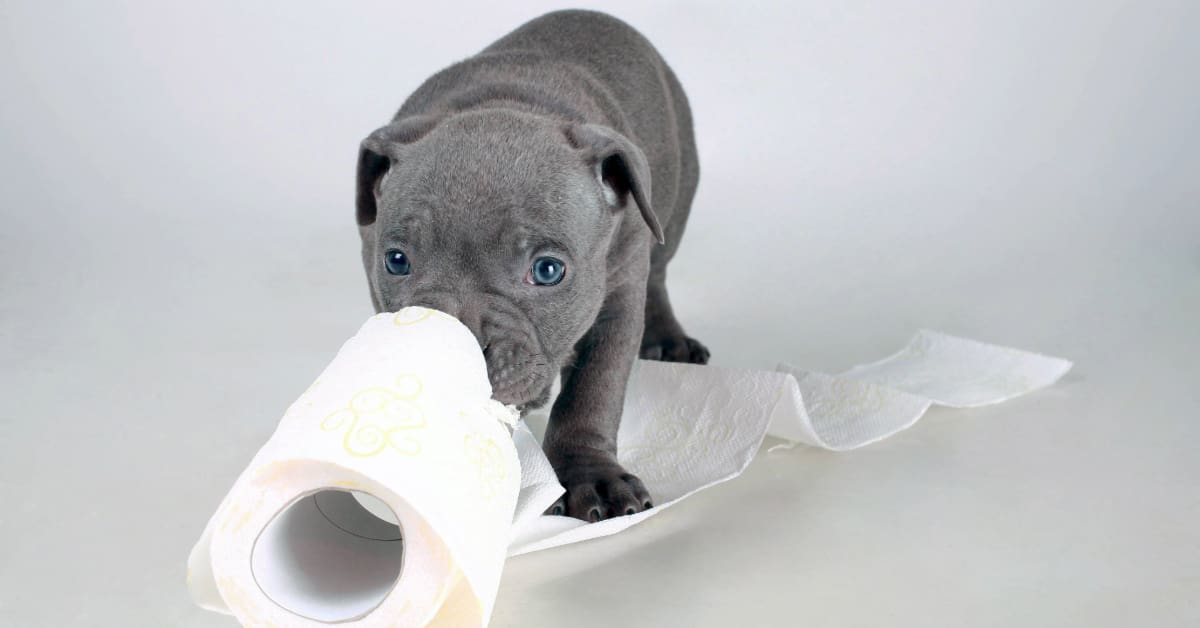
Puppy diarrhea is most often caused by a sudden diet change, dietary indiscretion, parasites, or stress, though it can occasionally signal something more serious that needs prompt veterinary attention. Finding a mess on the floor is one of those moments every new puppy owner dreads, and it’s a scenario our team at Partners Animal Hospital Fruitville hears about from Sarasota-area families. The tricky part is that diarrhea in puppies ranges from a minor, short-lived upset to a symptom of something that genuinely needs medical care. Below, we’ll discuss what commonly causes puppy diarrhea, when it crosses into emergency territory, what factors into feeding decisions during recovery, and when a trip to the vet becomes necessary.
What Are the Most Common Causes of Puppy Diarrhea?
A wide range of everyday situations can trigger puppy diarrhea, and most of them have nothing to do with a serious underlying illness.
Dietary Changes and Indiscretion
Switching foods too abruptly is one of the leading causes of puppy diarrhea, since a puppy’s digestive system needs time to adjust to new ingredients. Puppies are also notorious for eating things they shouldn’t, from table scraps to random items found in the yard, and that kind of dietary indiscretion frequently upsets their stomach.
Parasites and Infections
Intestinal parasites like roundworms, hookworms, and giardia are common culprits behind puppy diarrhea, particularly in young dogs who haven’t completed their full deworming schedule. Bacterial or viral infections can also play a role, especially in puppies with incomplete vaccination histories.
Frequent causes of puppy diarrhea include:
- Abrupt food changes or introducing new treats too quickly
- Eating something inappropriate, such as trash, plants, or spoiled food
- Intestinal parasites, especially in puppies not yet fully dewormed
- Stress from travel, a new environment, or a recent household change
Because so many everyday factors can trigger puppy diarrhea, a single episode isn’t necessarily cause for alarm on its own, though patterns and accompanying symptoms matter quite a bit. A change in stool consistency that resolves within a day, with a puppy who otherwise seems energetic and hungry, often points toward one of these more benign causes rather than something serious.
Is Puppy Diarrhea Ever a Sign of a Medical Emergency?
While most cases resolve without major intervention, puppy diarrhea can occasionally point to a genuine emergency, particularly in very young or small puppies who dehydrate quickly.
Why Young Puppies Are More Vulnerable
Small breed and very young puppies carry less body reserve than adult dogs, so fluid loss from diarrhea can become dangerous faster. Dehydration combined with diarrhea in a young puppy is a situation that warrants prompt veterinary attention rather than a wait-and-see approach.
Warning Signs That Escalate the Concern
Certain accompanying symptoms shift ordinary puppy diarrhea into emergency territory. Seek urgent veterinary care if puppy diarrhea appears alongside any of the following:
- Visible blood or a black, tarry appearance in the stool
- Repeated vomiting that won’t stop
- Extreme lethargy or unresponsiveness
- A distended, painful, or bloated-looking abdomen
A puppy displaying several of these signs together needs evaluation sooner rather than later. Even a single one of these red flags, on its own, is often enough reason to call ahead and describe the situation to our veterinary team at Partners Animal Hospital Fruitville rather than waiting to see if things improve.
What Can I Feed My Puppy to Help Settle Their Stomach?
Diet plays a meaningful role in how a puppy’s digestive system recovers, though the right approach varies based on the underlying cause and severity of the puppy diarrhea. This is exactly the kind of decision worth discussing directly with your veterinarian rather than guessing at home.
Why a Custom Approach Matters
What works for one puppy’s upset stomach might not be appropriate for another, especially if parasites, an infection, or an ingested foreign object are contributing to the puppy diarrhea. Your veterinarian can help determine whether a temporary dietary adjustment makes sense or whether the underlying cause needs to be addressed first.
The Value of a Veterinary Consultation
Rather than experimenting with home remedies, calling Partners Animal Hospital Fruitville for guidance at 941-297-0884 ensures any dietary changes are appropriate for your specific puppy’s age, weight, and symptoms. Your veterinarian can also advise on hydration and whether a short-term fast or gradual food reintroduction fits the situation. That kind of tailored guidance matters more than it might seem, since an incorrect approach to feeding during an episode of puppy diarrhea can sometimes prolong recovery rather than speed it along. Because puppy diarrhea has so many possible causes, a personalized recommendation from your veterinary team beats a generic at-home approach every time.
When Should I Take My Puppy to the Vet for Diarrhea?
Deciding when puppy diarrhea warrants a veterinary visit depends on duration, severity, and whatever other symptoms show up alongside it.
Duration and Frequency Guidelines
Diarrhea lasting more than twenty-four hours, or episodes that keep recurring over several days, generally call for a veterinary evaluation. A single loose stool that resolves quickly is far less concerning than a pattern that keeps repeating.
Age and Overall Health Considerations
Very young puppies, those with incomplete vaccination records, or puppies with existing health conditions should be seen sooner rather than later if diarrhea develops, since they have less margin for complications compared to healthy adult dogs.
When in doubt, a phone call to your veterinarian costs far less time and worry than waiting out a situation that turns out to need attention. Describing the frequency, consistency, and color of the stool over the phone can also help our veterinary team decide how quickly your puppy should be seen.
Supporting Your Puppy’s Digestive Health in Sarasota
Puppy diarrhea is a common part of early puppyhood, but knowing what’s typical versus what needs attention makes a real difference in how quickly a puppy recovers. Partners Animal Hospital Fruitville is available to walk Sarasota pet owners through next steps whenever digestive issues come up, from a single loose stool to a more persistent pattern.
If your puppy’s diarrhea has lasted more than a day, seems severe, or comes with other worrying symptoms, call Partners Animal Hospital Fruitville at 941-297-0884 to schedule an exam. Getting ahead of digestive issues early tends to make recovery smoother for everyone involved, and there’s rarely a downside to asking a professional rather than waiting things out on your own.
Recent Posts
About Us
At Partners Veterinary Group, we believe in energizing our team members through shared values, while helping them create value for our clients and patients. Knowing we can help make pets' and people's lives better motivates us to continually strive for excellence and love what we do.
Our team consistently works to build educational, supportive, and cooperative work environments that cater to positive experiences and professional growth. We're constantly evolving, creating innovative ways to deliver cutting-edge medicine to our patients. We equip our teams with tools to enhance their skills and improve their knowledge.