

Hot Spots in Dogs: Causes, Treatment & Prevention
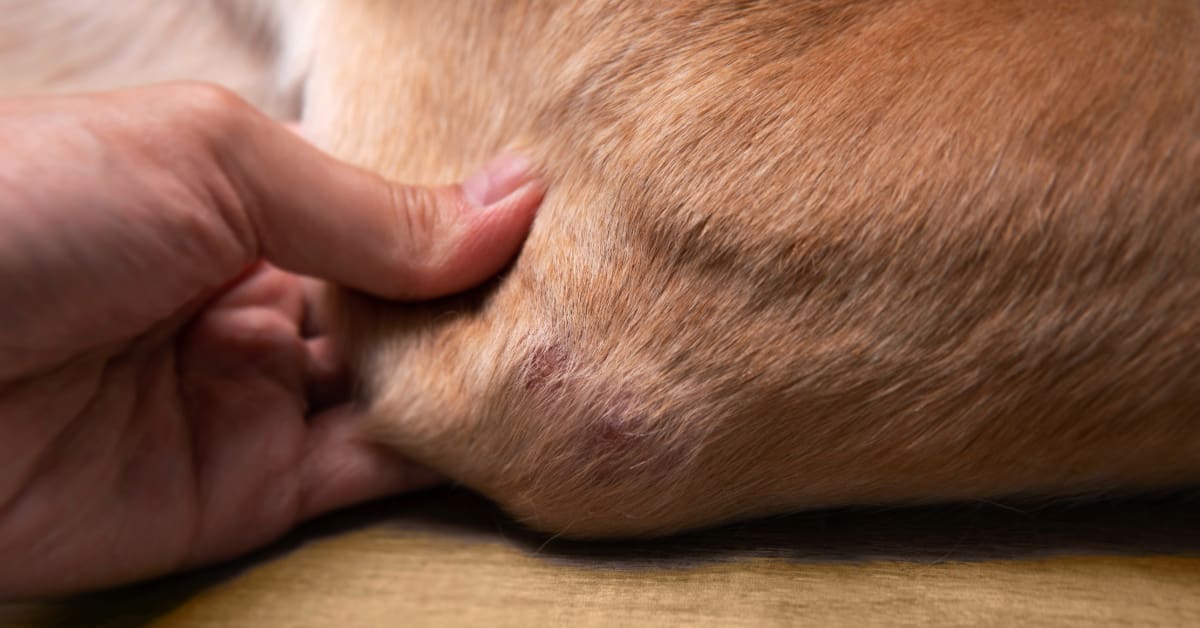
Hot spots in dogs are one of the most frustrating skin conditions pet owners encounter. They seem to appear overnight, spread rapidly, and cause intense discomfort. A hot spot, also called acute moist dermatitis, is a localized area of inflamed, infected skin that a dog creates by repeatedly licking, chewing, or scratching a particular spot. If you’ve seen a wet, red, oozing patch appear on your dog seemingly out of nowhere, you’re already familiar with what hot spots in dogs look like. This guide walks you through what causes them, what veterinary treatment involves, and how to help prevent them from recurring.
What Are Hot Spots in Dogs?
A hot spot on a dog is a moist, red, inflamed lesion on the skin that can range from the size of a dime to several inches across. The medical term for hot spots in dogs is acute moist dermatitis. “Acute” because they appear quickly, “moist” because the skin weeps fluid, and “dermatitis” because it’s inflammation of the skin.
The lesion forms when something irritates the skin, triggering a dog to focus relentlessly on that spot. The repeated licking, chewing, or scratching breaks down the skin barrier, introduces bacteria, and creates the warm, moist environment that allows infection to rapidly take hold. Hot spots can grow from a small irritated patch to a large, matted, painful wound within hours.
What Do Hot Spots in Dogs Look Like?
Dog hot spots typically appear as:
- A well-defined, wet, red patch of skin
- A lesion with hair loss around or over the area
- Skin that may ooze, crust, or mat with discharge
- A wound that may have an unpleasant odor
- A clearly painful area as dogs often flinch or snap when the spot is touched
Hot spots in dogs most commonly appear on the head, neck, hip area, and the base of the tail, though they can develop anywhere on the body. The area beneath and behind the ears is a frequent location in dogs with heavy, floppy ears that reduce air circulation.
What Causes Hot Spots in Dogs?
Hot spots in dogs don’t appear without cause. There is almost always an underlying trigger that initiated the itch or irritation cycle. Identifying that trigger is critical to effective treatment and long-term prevention. The most common causes of hot spots in dogs include the following.
Allergies
Environmental allergies (to pollen, mold, dust mites, and grasses) and food allergies both cause generalized itchiness that leads to self-trauma. In Sarasota and throughout Florida, year-round pollen and mold exposure means dogs with environmental allergies rarely get a seasonal break. If your dog seems to develop canine hot spots regularly, allergies should be a top consideration in your veterinary workup.
Flea Allergy Dermatitis
Flea allergy dermatitis is one of the most common causes of dog hot spots, particularly in Florida’s subtropical climate where fleas are active year-round. A dog with flea allergy doesn’t just react to a flea bite. They react to the flea’s saliva, which triggers an intense allergic response. Even a single flea bite can set off days of itching that leads directly to a hot spot, often located at the base of the tail or the hindquarters. Consistent, year-round flea prevention is essential for these dogs.
Moisture and Poor Coat Ventilation
Dogs who swim frequently, get wet in the rain, or are bathed without being thoroughly dried are at higher risk for hot spots. Moisture trapped close to the skin, especially in thick-coated or double-coated breeds, creates exactly the warm, damp environment that bacteria thrive in. This is why canine hot spots are more prevalent in humid climates and peak during summer months.
Ear Infections and Anal Gland Issues
Dogs with chronic ear infections frequently develop hot spots near the ear and on the side of the face from constant head-shaking and pawing at the ears. Similarly, dogs with full or impacted anal glands may obsessively lick or chew at the base of their tail, triggering a hot spot in that area. Treating these secondary conditions is an important part of resolving the hot spot and preventing recurrence.
Boredom, Anxiety, and Behavioral Factors
Some dogs develop compulsive licking behaviors driven by anxiety, boredom, or stress. When a dog focuses persistently on one area of their body as a coping mechanism, it can create or worsen hot spots. While this is less common than physical triggers, it’s worth discussing with your Partners Animal Hospital Fruitville veterinarian, especially if hot spots recur in the same location without an obvious physical cause.
Which Dog Breeds Are Most Prone to Hot Spots?
While any dog can develop hot spots, certain breeds are significantly more prone to them. Thick-coated, double-coated, and water-loving breeds top the list because of their coat density and moisture retention. Breeds frequently seen with canine hot spots include Golden Retrievers, Labrador Retrievers, German Shepherds, Saint Bernards, Rottweilers, and Collies. Dogs with skin folds or heavy ears are also at increased risk. If you have one of these breeds, it’s worth discussing your dog’s coat care routine and skin health proactively with your veterinarian at Partners Animal Hospital Fruitville, even before a hot spot appears.
How Are Hot Spots in Dogs Treated?
Because a hot spots in dogs involve active bacterial infection and significant self-trauma, the treatment approach needs to address the infection, manage the pain, and stop the itch-scratch cycle simultaneously. At Partners Animal Hospital Fruitville, treatment for canine hot spots typically involves the following steps.
Clipping and Cleaning the Area
The first step is clipping the hair around the hot spot to expose the full extent of the lesion and allow air to reach the skin. Many hot spots are larger than they appear initially, because matted, wet fur conceals the true size. Exposing and gently cleaning the area is critical for healing, and sedation may be needed for dogs experiencing significant pain.
Medications to Address Infection and Inflammation
Because dog hot spots involve bacterial infection, most cases require topical or oral antibiotics, or both. Anti-inflammatory medications are also frequently used to reduce the intense itching that drives self-trauma. For dogs with severe hot spots or significant pain, your veterinarian may recommend additional pain management. A properly fitted e-collar (cone) is often prescribed to prevent your dog from continuing to lick or bite the area during healing.
Treating the Underlying Cause
This is the step that determines whether your dog will experience recurring hot spots. Without addressing the underlying trigger, whether that’s allergies, fleas, an ear infection, or moisture exposure, the hot spot is likely to return. Your veterinarian at Partners Animal Hospital Fruitville will help identify contributing factors and recommend appropriate management strategies for your individual dog.
How Long Does It Take for a Dog Hot Spot to Heal?
With appropriate veterinary treatment, most hot spots in dogs begin to improve within a few days. Complete healing of the skin surface typically takes one to two weeks, depending on the size and severity of the lesion. Keeping the area dry, preventing licking, and following through with the full course of prescribed medications are all important for a full recovery. Dogs who continue to access the hot spot, or whose underlying trigger isn’t addressed, heal much more slowly and are at risk of recurrence.
How to Prevent Hot Spots in Dogs
For dogs who are prone to canine hot spots, prevention requires an ongoing, proactive approach. There is no single strategy that works for every dog, but a combination of the following measures dramatically reduces the risk.
- Year-round flea prevention: In Sarasota’s climate, fleas are a 12-month threat. Consistent use of a veterinarian-recommended flea preventive is one of the most effective steps you can take.
- Thorough drying after water exposure: Towel-dry and fully blow-dry your dog after swimming or bathing, paying special attention to the neck, ears, and dense areas of the coat.
- Regular grooming: Keeping the coat trimmed, brushed, and free of mats reduces moisture retention and allows better air circulation to the skin.
- Allergy management: If your dog has diagnosed environmental or food allergies, working with your veterinarian to manage those allergies long-term is essential for preventing hot spot recurrence.
- Routine wellness exams: Regular visits to Partners Animal Hospital Fruitville allow your veterinarian to monitor your dog’s skin health, address ear or anal gland issues early, and adjust preventive care as needed.
When to See Your Veterinarian for Your Dog’s Hot Spot
Hot spots in dogs should be evaluated by your veterinarian promptly. Because they can spread so quickly and cause significant discomfort, waiting to “see if it clears up on its own” often allows the lesion to grow larger and the infection to deepen. Call Partners Animal Hospital Fruitville at 941-297-0884 as soon as you notice a wet, red, or irritated patch of skin on your dog, especially if they’re fixating on licking or chewing a particular area.
Our veterinary team is experienced in diagnosing and treating canine hot spots and can help you develop a long-term plan to reduce your dog’s risk. Reach out to Partners Animal Hospital Fruitville today to schedule an appointment.
Recent Posts
About Us
At Partners Veterinary Group, we believe in energizing our team members through shared values, while helping them create value for our clients and patients. Knowing we can help make pets' and people's lives better motivates us to continually strive for excellence and love what we do.
Our team consistently works to build educational, supportive, and cooperative work environments that cater to positive experiences and professional growth. We're constantly evolving, creating innovative ways to deliver cutting-edge medicine to our patients. We equip our teams with tools to enhance their skills and improve their knowledge.