

Uncategorized
What Happens During a Pet Wellness Exam?
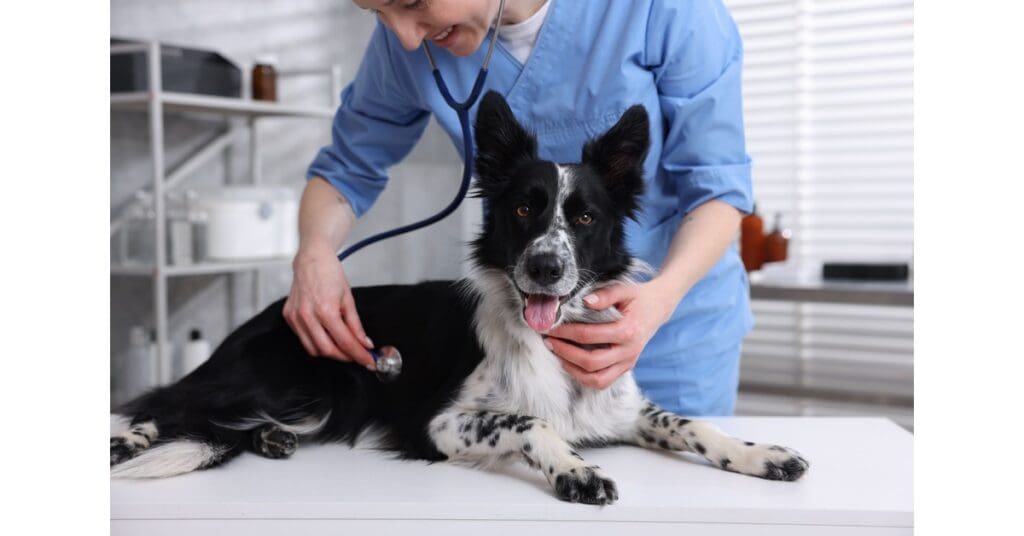
A pet wellness exam is one of the most important things you can do for your dog or cat and most pet owners are surprised by just how thorough it really is. During a routine pet wellness exam, your veterinarian performs a comprehensive nose-to-tail physical evaluation to assess your pet’s overall health, catch early signs…
Read More7 Signs Your Pet Has Dental Disease
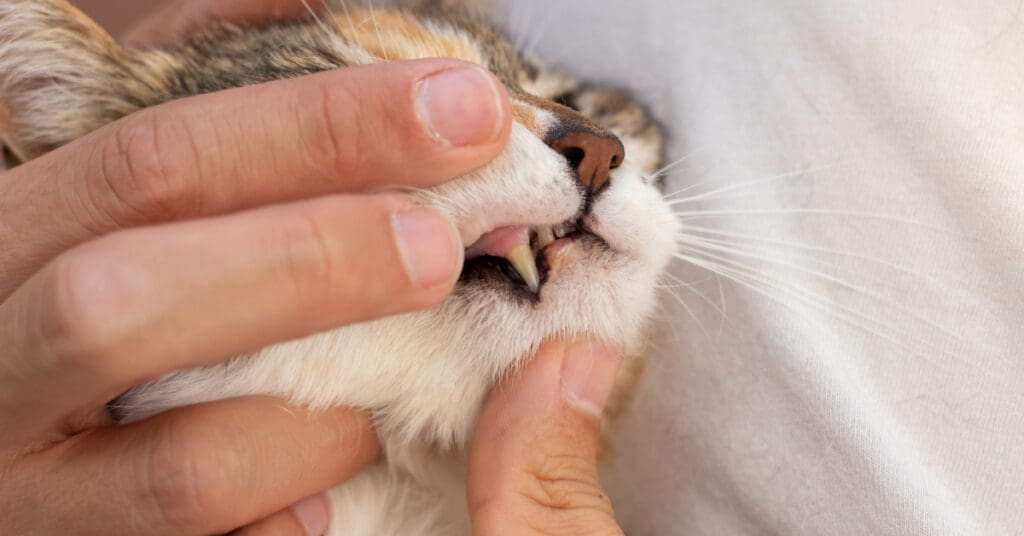
Animal dental disease is the most common health condition diagnosed in dogs and cats, yet it often goes undetected until it has caused significant damage. By age three, most pets already show signs of periodontal disease, the most prevalent form of dental disease in animals. The problem is that pets are remarkably good at hiding…
Read MoreHot Spots in Dogs: Causes, Treatment & Prevention
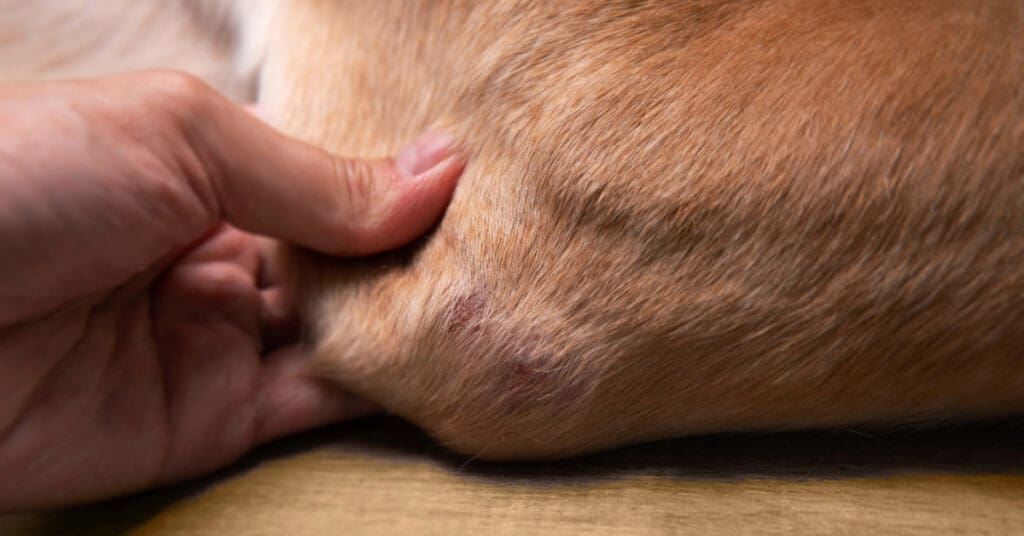
Hot spots in dogs are one of the most frustrating skin conditions pet owners encounter. They seem to appear overnight, spread rapidly, and cause intense discomfort. A hot spot, also called acute moist dermatitis, is a localized area of inflamed, infected skin that a dog creates by repeatedly licking, chewing, or scratching a particular spot.…
Read MoreWhat Vaccines Does My Pet Really Need?
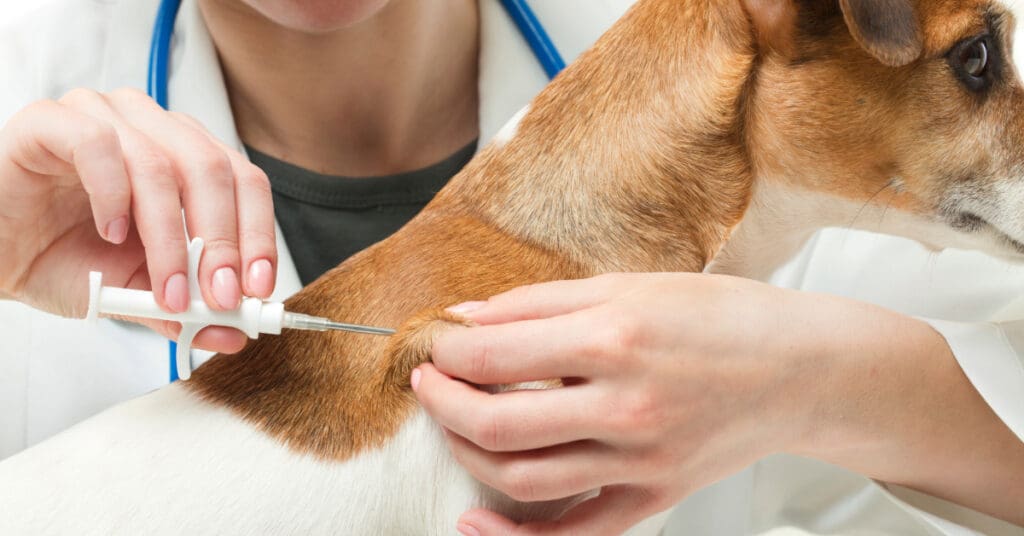
When it comes to protecting your pet’s health, few things are more important than staying current on vaccinations. The most important pet vaccinations shield your dog or cat from serious, often life-threatening diseases, some of which are highly contagious, and some of which can spread to people. Understanding which vaccines your pet truly needs, and…
Read MoreLyme Disease in Dogs: Signs, Testing, and Prevention

Lyme disease is one of the most well-known tick-borne illnesses in the U.S., affecting both people and pets. Dogs are especially at risk because of their outdoor exposure, particularly in wooded, grassy, or tick-prone areas. Knowing how Lyme disease spreads, what to watch for, and how to prevent it can help you protect your dog…
Read MoreChocolate Toxicity in Dogs: How Much Is Dangerous?

We all know chocolate is a sweet treat for people—but for dogs, it’s a dangerous toxin. Chocolate contains compounds that can cause serious illness (and sometimes death) in dogs, depending on how much they eat and the type of chocolate involved. Understanding the risks and acting quickly can make all the difference if your dog…
Read MoreHip Dysplasia in Dogs: Veterinary Diagnosis and Treatment Options

If your dog is slowing down, hesitant to jump, or showing signs of hip pain, one possible diagnosis is Hip dysplasia. This structural condition affects the hip joint and can cause discomfort, limited mobility, and arthritis. At Partners Animal Hospital – Fruitville, we work with you and your dog to identify hip dysplasia early and…
Read MoreKidney Disease in Cats: Early Warning Signs Owners Miss

Chronic kidney disease (CKD) is one of the most common conditions we encounter in cats as they age at Partners Animal Hospital – Fruitville. The good news: when caught early, we can take steps to slow progression and maintain quality of life. The key is recognizing the subtle signs before the disease becomes advanced. Why…
Read MoreWhat to Do if Your Dog Eats a Bufo (Cane) Toad

Florida is home to many unique creatures—not all of them harmless. The invasive Bufo marinus (cane toad) is one of those. If your dog chews or ingests a cane toad, it can be life-threatening. At Partners Animal Hospital – Fruitville, we want you to feel informed, prepared and confident about how to react in this…
Read MoreBlue-Green Algae Toxicity: How to Keep Pets Safe Around Lakes and Ponds

Spending time near the water is one of life’s simple pleasures—for us and our pets. But while that refreshing dip in the lake or romp by the pond might seem harmless, one hidden danger pet parents should be aware of is blue-green algae, also known as cyanobacteria. These toxic blooms can make pets very sick…
Read More