

Uncategorized
Urinary Blockages in Male Cats: Why It’s a Life-Threatening Emergency

If your male cat is straining to urinate, crying in the litter box, or not producing urine at all, it could signal a urinary blockage—a true emergency that requires immediate veterinary care. This painful and potentially fatal condition is most common in male cats due to their narrow urethra. What Causes Urinary Blockages? A blockage…
Read MoreIntervertebral Disc Disease (IVDD) in Dogs: Symptoms and Surgery

If your dog suddenly develops back pain, weakness, or trouble walking, intervertebral disc disease (IVDD) could be the cause. This spinal condition is most common in long-bodied breeds like Dachshunds, Beagles, and Corgis, but it can affect any dog. Recognizing the signs early is key to preventing permanent damage. IVDD occurs when the cushioning discs…
Read MoreLeptospirosis in Dogs: Why Awareness and Prevention Matter

Leptospirosis—often called “lepto”—is a bacterial disease that can affect both pets and people. It’s spread through water and soil contaminated by the urine of infected animals, and it can cause serious illness in dogs. Because it’s found in both urban and rural environments, every pet parent should know the signs, risks, and how to prevent…
Read MoreRecognizing Heat Stress in Brachycephalic (Flat-Faced) Dogs

Warm weather can be tough on any pet, but it’s especially dangerous for brachycephalic breeds—dogs with short muzzles and compact airways. Breeds like Bulldogs, Pugs, French Bulldogs, Boxers, Shih Tzus, and Boston Terriers are prone to heat stress and heatstroke because their anatomy makes cooling down much harder. With a little awareness and prevention, you…
Read MoreWaterborne Parasites: Giardia and Other Risks to Pets

Splashing in lakes, ponds, or streams is one of many dogs’ favorite activities—but not all water sources are safe. Natural bodies of water can harbor microscopic parasites and infectious organisms that pose serious health risks to pets. Two notable culprits are Giardia, a common intestinal parasite, and Pythium insidiosum, the organism behind a rare but…
Read MoreAnnual Bloodwork: Why It’s Essential for Detecting Hidden Illnesses
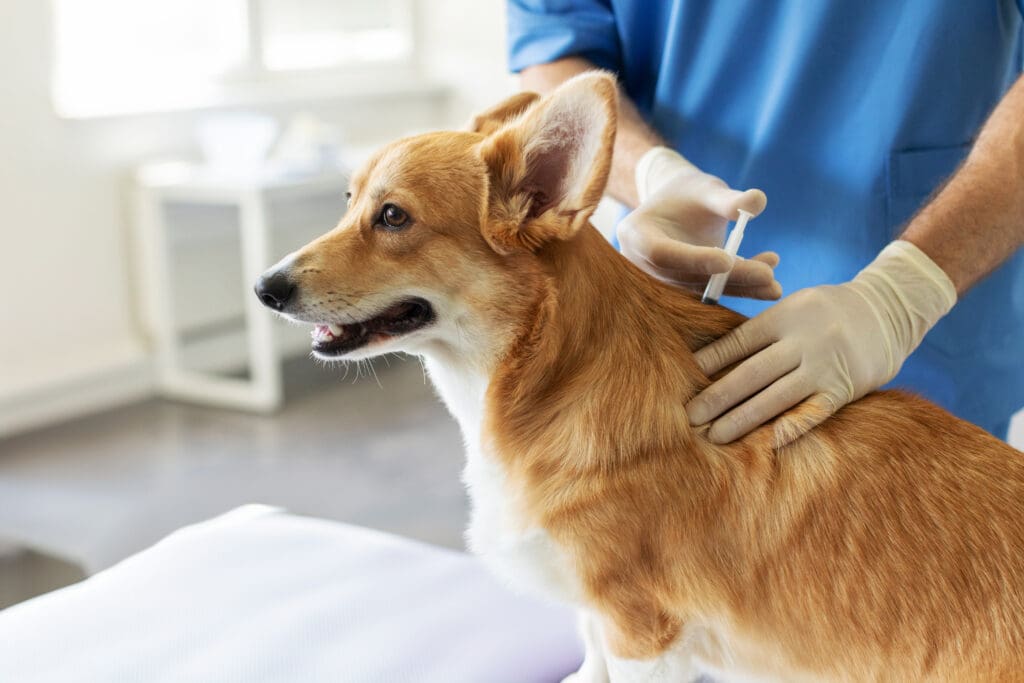
Even healthy-looking pets can have medical conditions developing beneath the surface. That’s why annual bloodwork is such an important part of preventive veterinary care. Routine testing provides a window into your pet’s internal health—often detecting problems long before symptoms appear. Why Routine Bloodwork Matters Pets age faster than humans, and their health can change…
Read MoreWhy Your Indoor Cat Still Needs Regular Vet Visits

You might think that because your cat stays indoors, they’re totally safe from health risks. And while being an indoor cat certainly helps protect them from outdoor dangers like traffic, predators, and parasites, it doesn’t mean your feline friend is invincible. At Partners Veterinary Hospital Fruitville, we know that regular vet visits are just as…
Read MoreUnderstanding Heartworm Disease and How to Prevent It

Heartworm disease is a serious, potentially life-threatening condition that affects dogs—and yes, cats too. At Partners Veterinary Hospital Fruitville, we want every pet parent to understand what heartworm is, how it spreads, and why prevention is so important for all pets, including our feline friends. What Is Heartworm Disease? Heartworms are parasites spread by mosquito…
Read MoreWhat Your Dog’s Gum Color Says About Their Health
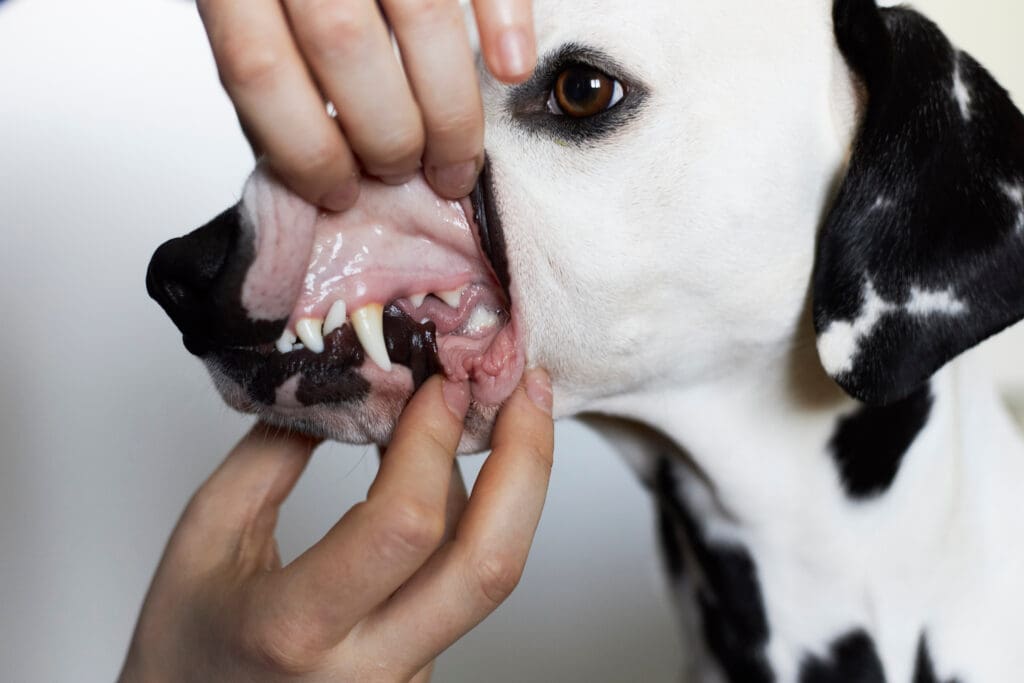
Your dog’s gums might not be something you check every day, but they can actually tell you a lot about what’s going on inside your pup’s body. At Partners Veterinary Hospital Fruitville, we often say the gums are like a window into your dog’s overall health—and learning what’s normal (and what’s not) can help you…
Read MoreSigns of Heat Stroke in Pets

Florida heat can sneak up quickly—and while we may be able to grab a cold drink or find some shade, our pets rely on us to keep them safe. At Partners Veterinary Hospital Fruitville, we want you to know how to recognize the signs of heat stroke in pets and what to do if your…
Read More