

What Puppy Shots Does My Pet Need and When?
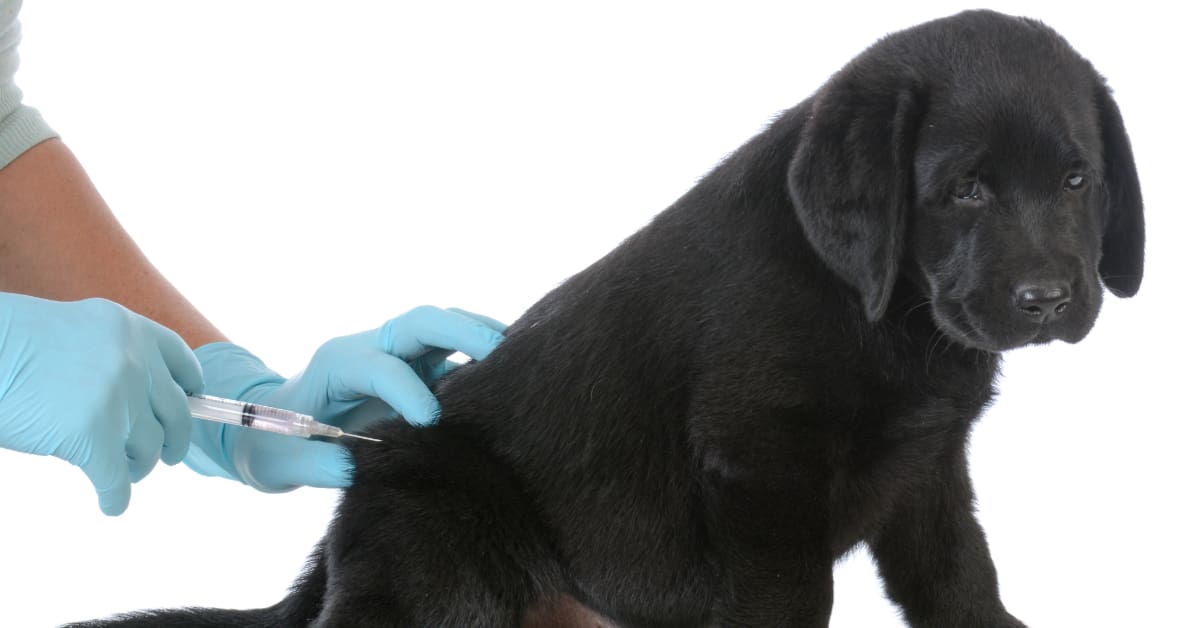
Puppy shots protect your new companion from serious, often fatal diseases during the most vulnerable stage of life. At Partners Animal Hospital Fruitville, most puppies need a series of core vaccines starting around six to eight weeks of age, with boosters continuing every three to four weeks until they reach sixteen weeks old. Bringing home a new puppy in Sarasota means juggling a lot of firsts, and figuring out a vaccination timeline shouldn’t add to the stress. The good news is that puppy shots follow a well-established schedule that veterinarians have refined over decades, so there’s no guesswork involved once you know what to expect. Below, we’ll walk through the specific vaccines your puppy needs, when to schedule each round, and why sticking to the timeline matters so much for long-term health.
What Core Vaccines Do All Puppies Need?
Every puppy, regardless of breed or lifestyle, needs a specific set of core puppy shots to guard against widespread and dangerous illnesses. These vaccines are considered essential because the diseases they prevent are highly contagious, difficult to treat, and frequently fatal in young dogs with developing immune systems.
The DHPP Combination Vaccine
The DHPP vaccine is the backbone of every puppy shots protocol. It protects against distemper, hepatitis, parvovirus, and parainfluenza in a single injection, reducing the number of visits needed to build full protection.
Leptospirosis Vaccine
Leptospirosis is spread through the urine of wildlife like raccoons and rats, which can contaminate puddles and soil. That means even city and backyard dogs are at risk of this serious disease, which can cause kidney and liver failure and can also spread to people.
Rabies Vaccination Requirements
Florida law requires rabies vaccination for all dogs, making it a mandatory part of any puppy vaccine plan. Puppies typically receive their first rabies vaccine around twelve to sixteen weeks of age, with a booster one year later.
Core puppy shots generally include:
- DHPP (distemper, hepatitis, parvovirus, parainfluenza)
- Rabies, required by Florida state law
- Bordetella, often required by boarding facilities and daycares in the Sarasota area
- Leptospirosis, now recommended by the American Animal Hospital Association (AAHA) as a core vaccine.
Skipping or delaying these puppy shots leaves gaps in protection precisely when a puppy’s immune system is least equipped to fight off exposure. Veterinarians recommend staying on schedule even if a puppy seems perfectly healthy, since diseases like parvovirus can spread through contaminated soil or surfaces long before symptoms appear. Parvovirus in particular can survive in the environment for months, which means even a puppy who rarely leaves the yard can encounter it on a shoe sole or a neighbor’s lawn.
Local boarding facilities, groomers, and puppy daycares around Sarasota commonly ask for proof of the Bordetella vaccine before allowing a dog to participate, so keeping records of completed puppy shots on hand can save a scheduling headache later. Bringing vaccination paperwork to every visit also helps the veterinary team track exactly which doses have been given and which are still due.
Are There Additional (Non-Core) Vaccines My Puppy Might Need?
Beyond the core puppy shots, some puppies benefit from additional vaccines based on their environment, travel habits, and exposure risk. These non-core vaccines aren’t universally required, but a veterinarian at Partners Animal Hospital Fruitville can help determine which ones make sense for your specific puppy.
Canine Influenza Vaccine
Dogs who visit groomers, boarding kennels, or dog parks face higher exposure to canine influenza. This vaccine isn’t part of the standard puppy shots lineup everywhere, but it’s increasingly common for social puppies.
Non-core vaccines to discuss with your veterinarian include:
- Bordatella, or Kennel Cough, is usually required by boarding facilities, daycare and dog parks.
- Canine influenza, recommended for puppies with frequent social exposure
- Lyme disease vaccine, generally less critical in Sarasota than in tick-heavy northern regions
Because every puppy’s lifestyle looks different, a one-size-fits-all approach to puppy shots doesn’t always serve every dog well. A conversation about daycare plans, travel, and outdoor habits helps shape a vaccination plan that fits your puppy’s actual risk factors rather than a generic checklist. Puppies who will travel out of state or attend group training classes may also need updated vaccination documentation before enrollment, so it’s worth asking about paperwork requirements ahead of any planned trips or activities.
What Is the Recommended Puppy Vaccination Schedule?
Timing matters just as much as which vaccines a puppy receives. The standard puppy shots schedule is built around how long maternal antibodies protect a puppy before that protection fades and leaves them vulnerable.
The Six to Eight Week Window
Most puppies start their first round of puppy shots between six and eight weeks old, right around the time they’re weaned and transitioning to solid food. This first appointment usually includes the initial DHPP dose along with a general wellness exam.
Booster Rounds Through Sixteen Weeks
After the initial round, puppy shots continue roughly every three to four weeks. A typical schedule looks like this:
- First round: six to eight weeks, initial DHPP dose
- Second round: ten to twelve weeks, DHPP booster plus optional non-core vaccines
- Third round: fourteen to sixteen weeks, final DHPP booster and first rabies vaccine
This layered approach to puppy shots exists because maternal antibodies interfere with vaccine effectiveness at different rates in different puppies, so multiple boosters ensure protection actually takes hold rather than being blocked prematurely.
Larger breed puppies and smaller breed puppies generally follow the same vaccination timeline, though your veterinarian may adjust spacing slightly based on individual health history or a slow start to the series. Missing an appointment by a few days usually isn’t a major setback, but waiting several weeks between rounds can mean restarting part of the series to rebuild adequate protection. Keeping appointments as close to the recommended window as possible keeps the whole vaccination schedule on track without unnecessary repeat visits.
Why Do Puppies Need Multiple Rounds of Vaccines?
Many new pet owners wonder why a single dose of puppy shots isn’t enough, especially when adult dogs often need only annual boosters. The answer comes down to the unpredictable nature of maternal antibody decline.
Maternal Antibodies and Timing Gaps
Puppies receive some disease protection from their mother’s milk in the first weeks of life, but nobody can predict exactly when that protection wears off in an individual puppy. A single round of puppy shots given too early might be neutralized by lingering maternal antibodies before the puppy’s own immune system takes over.
Building Lasting Immunity
Each booster in the puppy vaccines series reinforces the immune response, giving the body repeated opportunities to build antibodies once maternal interference has faded. Skipping boosters can leave a puppy with incomplete immunity even if the first shot was given on time.
Missing or delaying scheduled puppy shots doesn’t just create a gap in the calendar. It can mean a puppy heads into a critical developmental window without full protection against diseases that spread quickly through parks, kennels, and other dogs in the Sarasota area.
Puppies also tend to be at their most social and curious during the exact months their vaccination series is underway, which is precisely why the timing matters so much. A young dog exploring the yard, meeting new dogs, or visiting a pet store for the first time needs functioning immunity already in place, not protection that’s still a few weeks from completing.
Getting Your Sarasota Puppy Started on the Right Path
Every puppy deserves a smooth, well-timed start to their vaccination journey, and that starts with a plan tailored to their specific needs. Our team at Partners Animal Hospital Fruitville works with local pet owners to map out a vaccination schedule that accounts for lifestyle, environment, and any breed-specific considerations. Whether this is your first puppy or your fifth, scheduling that initial wellness visit early gives your veterinarian time to answer questions and adjust the plan as your puppy grows.
Puppy owners throughout the Fruitville area can call Partners Animal Hospital Fruitville directly at 941-297-0884 to set up a first appointment or ask questions about which vaccines their new dog may still need. A little planning now sets the stage for a healthier, more confident dog for years to come.
Recent Posts
About Us
At Partners Veterinary Group, we believe in energizing our team members through shared values, while helping them create value for our clients and patients. Knowing we can help make pets' and people's lives better motivates us to continually strive for excellence and love what we do.
Our team consistently works to build educational, supportive, and cooperative work environments that cater to positive experiences and professional growth. We're constantly evolving, creating innovative ways to deliver cutting-edge medicine to our patients. We equip our teams with tools to enhance their skills and improve their knowledge.