

What Vaccines Does My Pet Really Need?
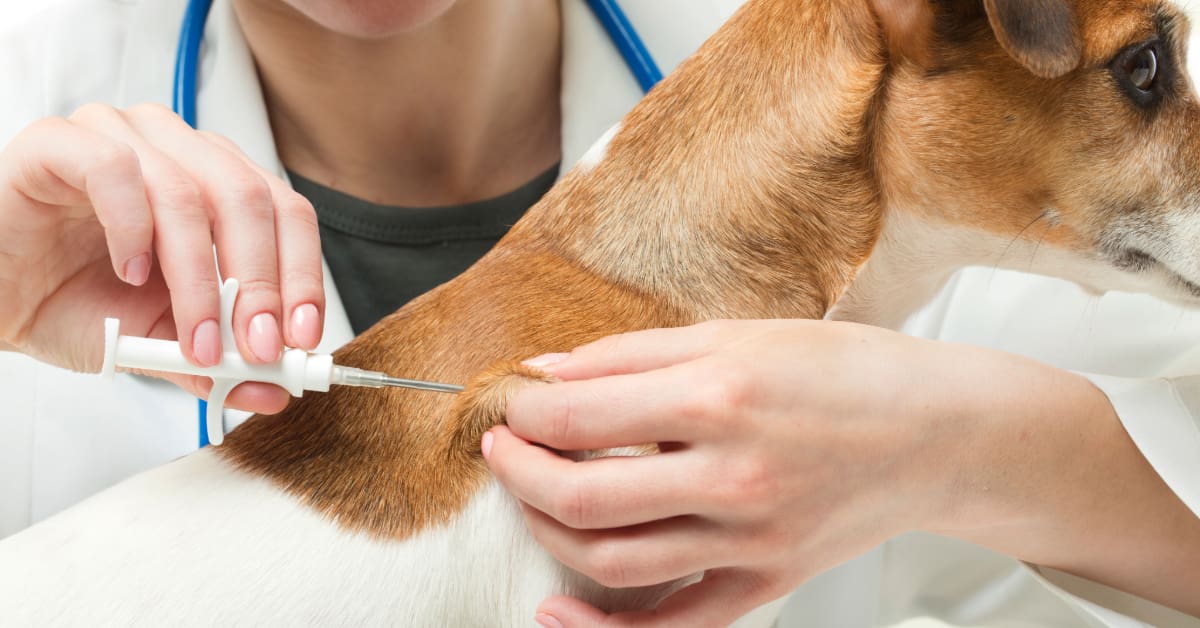
When it comes to protecting your pet’s health, few things are more important than staying current on vaccinations. The most important pet vaccinations shield your dog or cat from serious, often life-threatening diseases, some of which are highly contagious, and some of which can spread to people. Understanding which vaccines your pet truly needs, and why, helps you make informed decisions alongside your veterinarian. This guide breaks down the essential pet vaccines by category, explains how they work, and helps you know exactly what to discuss at your next veterinary visit.
What Are Core Versus Non-Core Pet Vaccines?
Not all vaccines are created equal and not every pet needs the same immunization schedule. Veterinarians divide pet vaccines into two categories: core vaccines and non-core (or lifestyle) vaccines.
Core Vaccines: Required for All Pets
Core vaccines are considered essential for every dog or cat regardless of their lifestyle, because the diseases they prevent are widespread, severe, or transmissible to humans. These are the vaccines that virtually every veterinarian, including our team at Partners Animal Hospital Fruitville, recommends for all patients.
Core vaccines for dogs include:
- Rabies: Required by law in Florida and most U.S. states. Rabies is fatal and transmissible to humans, making this one of the most critical pet vaccinations available.
- Distemper: A severe viral disease affecting the respiratory, gastrointestinal, and nervous systems. Highly contagious and often fatal in unvaccinated dogs.
- Parvovirus: A devastating gastrointestinal illness, especially dangerous in puppies. The parvovirus vaccine is one of the most urgently important vaccinations for young dogs.
- Adenovirus (Hepatitis): Protects against infectious canine hepatitis, which can cause serious liver damage.
These four are often combined in a single DHPP (or DA2PP) injection, making it easy to stay current on your dog’s most critical vaccines.
Core vaccines for cats include:
- Rabies: Essential for all cats, even those kept strictly indoors. Rabies exposure can happen through escaped encounters with wildlife.
- Feline Viral Rhinotracheitis (Herpesvirus): A major cause of upper respiratory infections in cats. Part of the core FVRCP combination vaccine.
- Calicivirus: Another common respiratory virus in cats, also included in the FVRCP combination.
- Panleukopenia (Feline Distemper): A highly contagious and often fatal viral disease, particularly dangerous in kittens.
Non-Core Vaccines: Recommended Based on Lifestyle
Non-core vaccines are recommended based on your pet’s individual risk factors: where they live, how they spend time, and what they’re exposed to. In Sarasota, FL, where the warm climate and outdoor culture create year-round exposure risks, several non-core vaccines are strongly recommended for many pets.
At Partners Animal Hospital Fruitville, our veterinarians assess each pet individually to determine which additional vaccinations offer meaningful protection. Common non-core vaccines for dogs include Bordetella (kennel cough), leptospirosis, Lyme disease, and canine influenza. For cats, the feline leukemia virus (FeLV) vaccine is one of the most important non-core vaccinations and is often recommended as a core vaccine for all kittens and cats with any outdoor access.
What Vaccines Does My Dog Need?
Beyond the core DHPP and rabies vaccines, your dog’s complete vaccine protocol depends on their day-to-day activities and exposures. The following non-core dog vaccines are among the most commonly recommended for pets in the Sarasota area.
Bordetella (Kennel Cough)
If your dog attends doggy daycare, visits a groomer, boards at a kennel, or frequents dog parks, the Bordetella vaccine is one of the most important dog vaccinations you can stay current on. Bordetella bronchiseptica is a primary bacterial cause of kennel cough, a highly contagious respiratory infection that spreads quickly in group settings. Most facilities in Sarasota require proof of this vaccine for admission.
Leptospirosis
Leptospirosis is a bacterial disease spread through the urine of infected wildlife and contaminated water sources. In Florida, where puddles, ponds, and outdoor water exposure are common year-round, this vaccine is often recommended even for dogs that don’t seem high-risk. Leptospirosis is also zoonotic, meaning it can infect humans, which makes it an especially important vaccination for households with dogs that spend time outdoors.
Canine Influenza
Dog flu (canine influenza virus, or CIV) spreads rapidly in environments where dogs are in close contact. If your dog travels, attends shows, or spends time in boarding facilities, the canine influenza vaccine is worth discussing with your Partners Animal Hospital Fruitville veterinarian.
What Vaccines Does My Cat Need?
All cats should receive core FVRCP and rabies vaccines, even indoor cats. Indoor cats can be exposed to airborne pathogens, encounter other pets, or escape. Beyond the core protocol, cat vaccination recommendations depend on lifestyle.
Feline Leukemia Virus (FeLV)
The FeLV vaccine is one of the most important cat vaccinations for any feline with outdoor access or contact with other cats. Feline leukemia virus suppresses the immune system and significantly increases cancer risk. It’s transmitted through close contact with infected cats, shared food bowls, mutual grooming, or bites. Many veterinarians recommend this vaccine for all kittens as a baseline protection, with continued vaccination for cats who remain at risk.
Feline Immunodeficiency Virus (FIV)
FIV vaccination may be recommended for outdoor cats or those at risk of bite wounds from other cats, since FIV spreads primarily through deep bite wounds. Your Partners Animal Hospital Fruitville veterinarian will discuss your cat’s specific exposure risk to determine whether this vaccine is appropriate.
How Do Pet Vaccine Schedules Work?
Pet vaccine schedules follow a specific sequence designed to build and sustain immunity throughout your pet’s life. Puppies and kittens receive a series of initial vaccinations starting as early as 6 to 8 weeks of age, with boosters given every 3 to 4 weeks until they complete their puppy or kitten vaccine series. This initial series is critical because maternal antibodies can temporarily interfere with vaccine immunity, which is why multiple doses are required during early life.
After the puppy or kitten series is complete, most pets receive booster vaccines one year later. From there, depending on the specific vaccine, boosters are given every one to three years. Rabies vaccines, for example, may be given annually or every three years depending on the product used and local regulations. Our veterinary team at Partners Animal Hospital Fruitville will create a customized vaccine schedule based on your pet’s age, health status, and lifestyle.
Are Pet Vaccines Safe? What Side Effects Should I Know About?
Pet vaccines are rigorously tested for safety and efficacy before they’re approved for use. For the vast majority of dogs and cats, the benefits of vaccination far outweigh any risks. That said, it’s normal and helpful to know what to watch for after your pet is vaccinated.
Most pets experience mild, short-lived responses after receiving important pet vaccinations. Common normal reactions include:
- Temporary soreness or swelling at the injection site
- Low-grade lethargy or decreased activity for 24 to 48 hours
- Mild reduction in appetite the day of vaccination
- Slight fever as the immune system activates
These mild reactions typically resolve on their own. However, contact Partners Animal Hospital Fruitville right away if your pet shows signs of a more serious reaction, including facial swelling, hives, vomiting, difficulty breathing, or collapse. Serious vaccine reactions are rare but require prompt veterinary attention.
Why Staying Current on Pet Vaccinations Matters for the Whole Community
Vaccination isn’t just about protecting your individual pet. It’s about protecting the broader pet and human community through herd immunity. When enough animals in a population are vaccinated against a disease, outbreaks are less likely to occur and spread. This is especially important for highly contagious diseases like parvovirus, distemper, and rabies, and it’s one reason veterinarians emphasize staying current on essential pet vaccinations even for pets with limited social contact.
Sarasota has an active community of dog parks, boarding facilities, training classes, and veterinary care providers. Keeping your pet’s vaccinations up to date is one of the most responsible and impactful choices you can make as a pet owner in this community.
Talk to Your Veterinarian About the Right Vaccine Plan for Your Pet
Every pet is different, and the most important pet vaccinations for your dog or cat depend on their unique health history, age, and lifestyle. At Partners Animal Hospital Fruitville in Sarasota, FL, our veterinarians take a thoughtful, personalized approach to vaccine recommendations, protecting your pet from real risks without unnecessary over-vaccination.
Whether you have a new puppy or kitten starting their vaccine series, an adult pet due for boosters, or an older pet whose vaccination history is unclear, our team is here to help you build a plan that keeps them protected. Call Partners Animal Hospital Fruitville today at 941-297-0884 or make an appointment to for a vaccination consultation or wellness exam.
Recent Posts
About Us
At Partners Veterinary Group, we believe in energizing our team members through shared values, while helping them create value for our clients and patients. Knowing we can help make pets' and people's lives better motivates us to continually strive for excellence and love what we do.
Our team consistently works to build educational, supportive, and cooperative work environments that cater to positive experiences and professional growth. We're constantly evolving, creating innovative ways to deliver cutting-edge medicine to our patients. We equip our teams with tools to enhance their skills and improve their knowledge.