

Leptospirosis in Dogs: Why Awareness and Prevention Matter
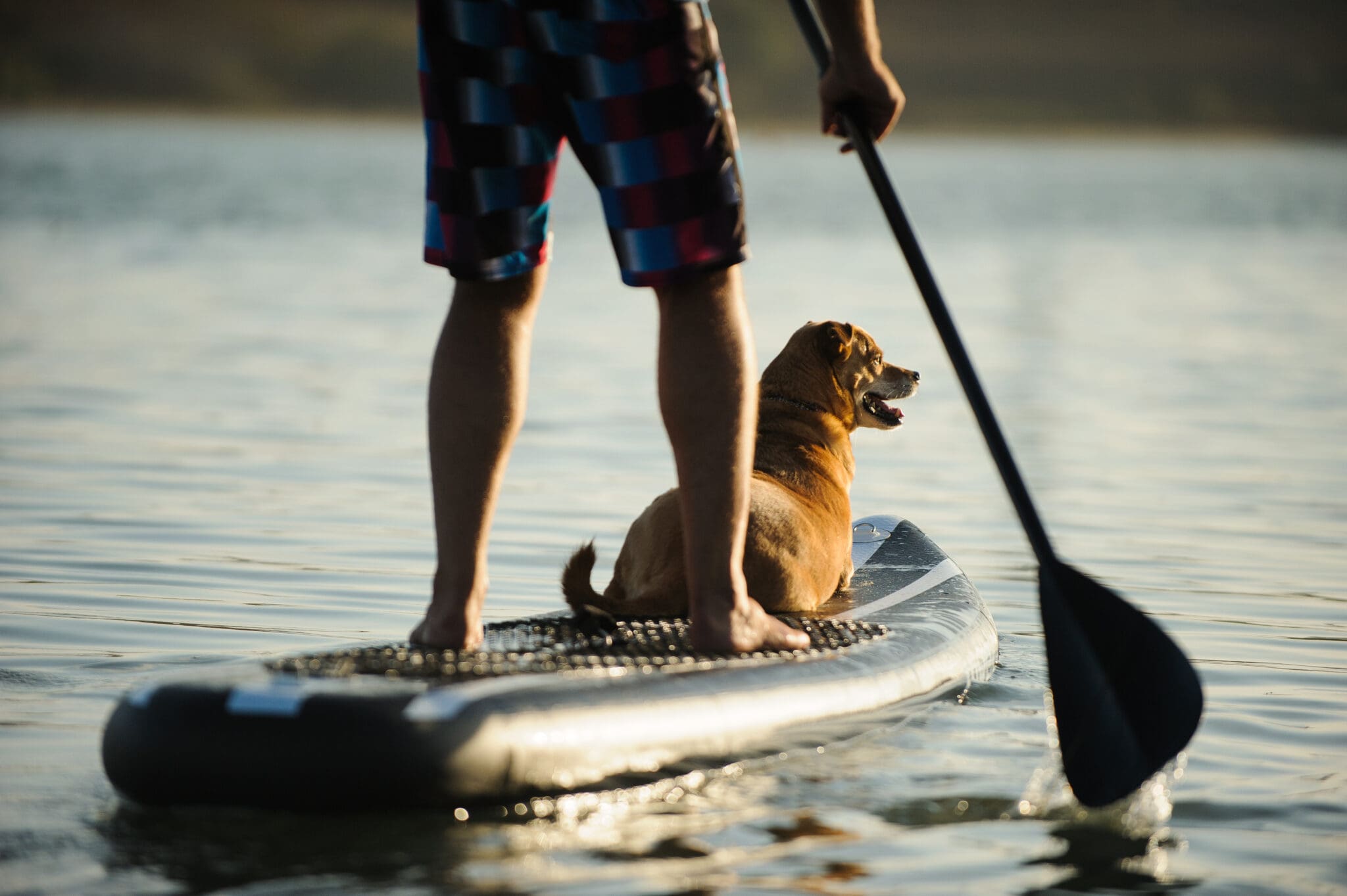
Leptospirosis—often called “lepto”—is a bacterial disease that can affect both pets and people. It’s spread through water and soil contaminated by the urine of infected animals, and it can cause serious illness in dogs. Because it’s found in both urban and rural environments, every pet parent should know the signs, risks, and how to prevent it.
What Is Leptospirosis?
Leptospirosis is caused by Leptospira bacteria, which thrive in moist environments like puddles, ponds, and damp soil. Wild animals such as raccoons, rodents, and deer can carry the bacteria without showing symptoms. When they urinate, they shed the bacteria into the environment, where it can survive for weeks or even months.
Dogs typically become infected when they:
- Drink from or wade through contaminated water
- Lick their paws after contact with contaminated soil
- Come into contact with urine from infected animals
Because leptospirosis is zoonotic, it can also infect humans—making prevention important for the whole family.
Signs of Leptospirosis in Dogs
Leptospirosis can affect many organs, but it most often targets the kidneys and liver. The signs can vary from mild to severe and may include:
- Fever, shivering, or general lethargy
- Vomiting and diarrhea
- Loss of appetite
- Increased thirst or urination
- Yellowing of the gums, eyes, or skin (jaundice)
- Muscle pain or stiffness
If left untreated, lepto can cause organ failure and be life-threatening. Because the signs mimic other illnesses, veterinary testing is the only way to confirm a diagnosis.
How Leptospirosis Is Diagnosed and Treated
At Partners Animal Hospital – Fruitville, we diagnose lepto using a combination of blood tests, urinalysis, and specialized antibody or PCR testing. If your dog tests positive, treatment usually includes:
- Antibiotics to clear the infection
- IV fluids to support the kidneys and liver
- Hospitalization for close monitoring in severe cases
With early and aggressive treatment, many dogs make a full recovery—but long-term monitoring may be recommended if organ damage occurred.
How to Protect Your Dog (and Yourself)
- Vaccinate your dog. The leptospirosis vaccine protects against several strains and is recommended for most dogs with any outdoor exposure.
- Avoid standing water. Don’t let your pet drink from puddles, ditches, or unknown water sources.
- Control rodents around your home. Rodents are a common carrier of leptospirosis.
- Practice good hygiene. Wear gloves when cleaning up pet urine and wash your hands thoroughly afterward.
Leptospirosis is a preventable but serious illness that can affect both pets and people. Keeping your dog vaccinated, avoiding contaminated water, and maintaining regular wellness care are the best ways to stay protected. If your dog shows any signs of illness or you’re unsure whether they’re protected, call us or book an appointment today to discuss vaccination and testing options.
Recent Posts
About Us
At Partners Veterinary Group, we believe in energizing our team members through shared values, while helping them create value for our clients and patients. Knowing we can help make pets' and people's lives better motivates us to continually strive for excellence and love what we do.
Our team consistently works to build educational, supportive, and cooperative work environments that cater to positive experiences and professional growth. We're constantly evolving, creating innovative ways to deliver cutting-edge medicine to our patients. We equip our teams with tools to enhance their skills and improve their knowledge.