

Uncategorized
Waterborne Parasites: Giardia and Other Risks to Pets

Splashing in lakes, ponds, or streams is one of many dogs’ favorite activities—but not all water sources are safe. Natural bodies of water can harbor microscopic parasites and infectious organisms that pose serious health risks to pets. Two notable culprits are Giardia, a common intestinal parasite, and Pythium insidiosum, the organism behind a rare but…
Read MoreAnnual Bloodwork: Why It’s Essential for Detecting Hidden Illnesses
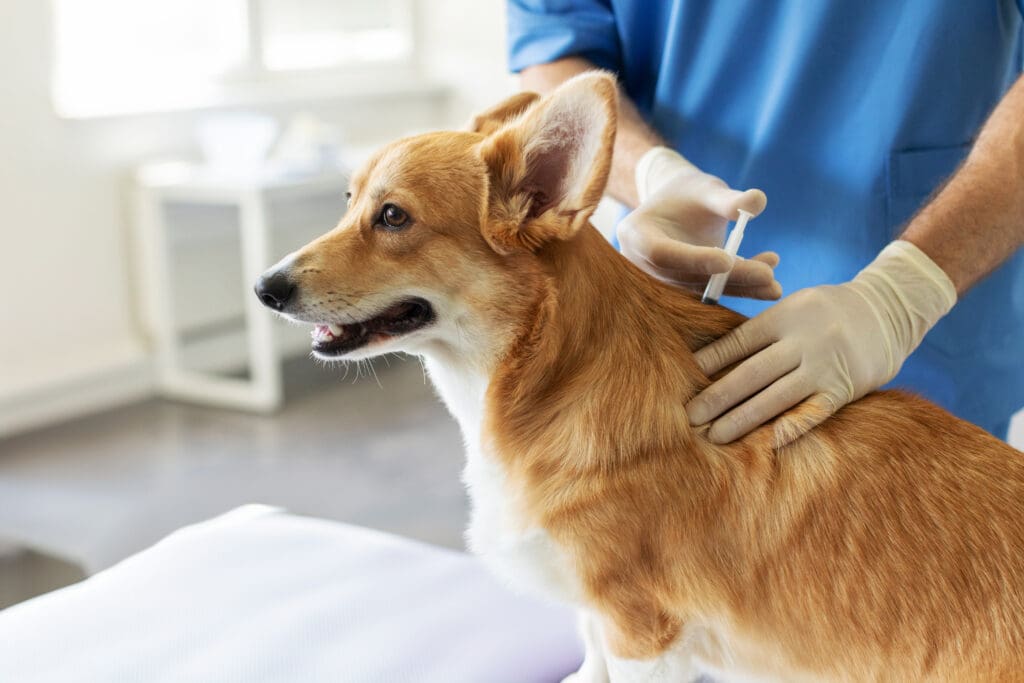
Even healthy-looking pets can have medical conditions developing beneath the surface. That’s why annual bloodwork is such an important part of preventive veterinary care. Routine testing provides a window into your pet’s internal health—often detecting problems long before symptoms appear. Why Routine Bloodwork Matters Pets age faster than humans, and their health can change…
Read MoreWhy Your Indoor Cat Still Needs Regular Vet Visits

You might think that because your cat stays indoors, they’re totally safe from health risks. And while being an indoor cat certainly helps protect them from outdoor dangers like traffic, predators, and parasites, it doesn’t mean your feline friend is invincible. At Partners Veterinary Hospital Fruitville, we know that regular vet visits are just as…
Read MoreUnderstanding Heartworm Disease and How to Prevent It

Heartworm disease is a serious, potentially life-threatening condition that affects dogs—and yes, cats too. At Partners Veterinary Hospital Fruitville, we want every pet parent to understand what heartworm is, how it spreads, and why prevention is so important for all pets, including our feline friends. What Is Heartworm Disease? Heartworms are parasites spread by mosquito…
Read MoreWhat Your Dog’s Gum Color Says About Their Health
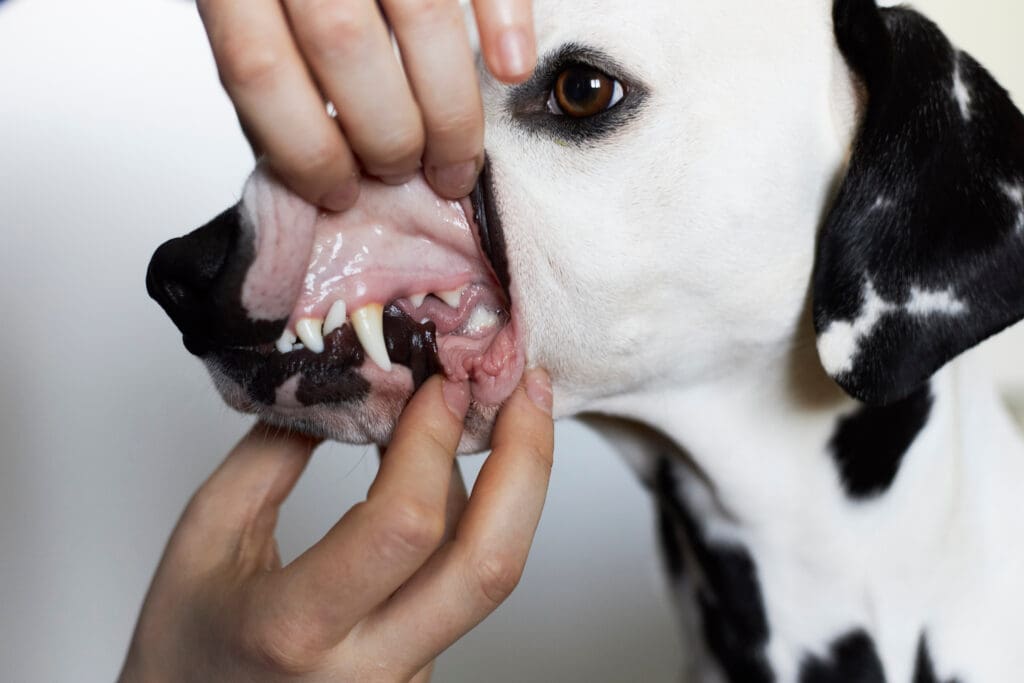
Your dog’s gums might not be something you check every day, but they can actually tell you a lot about what’s going on inside your pup’s body. At Partners Veterinary Hospital Fruitville, we often say the gums are like a window into your dog’s overall health—and learning what’s normal (and what’s not) can help you…
Read MoreSigns of Heat Stroke in Pets

Florida heat can sneak up quickly—and while we may be able to grab a cold drink or find some shade, our pets rely on us to keep them safe. At Partners Veterinary Hospital Fruitville, we want you to know how to recognize the signs of heat stroke in pets and what to do if your…
Read MoreThe Best Dog-Friendly Parks and Trails in Sarasota

Looking for the perfect spot to enjoy some sunshine and fresh air with your pup? Sarasota is full of beautiful, dog-friendly parks and trails that give you and your best friend a chance to explore, exercise, and bond. At Partners Veterinary Hospital Fruitville, we love seeing our patients living their best lives—so we put together…
Read MoreHurricane Season Prep: How to Keep Your Pets Safe in an Emergency

Living in Florida means being familiar with hurricane season—and while many of us know how to prepare our homes and families, it’s just as important to include our pets in those plans. At Partners Veterinary Hospital Fruitville, we want to make sure your pets stay safe, calm, and cared for in the event of a…
Read MoreHydration in Winter: Why Your Pet Still Needs Plenty of Water
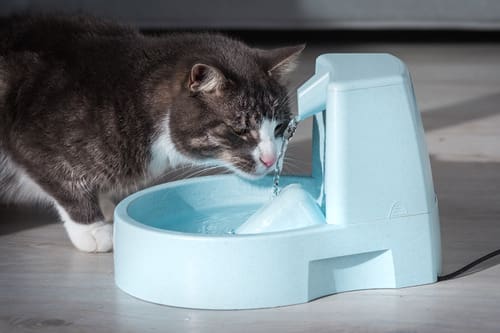
Winter may not bring the sweltering heat of summer, but it doesn’t mean your pet’s water needs diminish. Surprisingly, colder weather can be just as dehydrating as warm temperatures, and ensuring your pet’s hydration remains consistent is vital for their overall health. For pet owners in Sarasota, FL, where winter temperatures might be mild but…
Read MoreWhy Fleas, Ticks, and Mosquitos Are a Year-Round Problem in Warmer Climates

Living in Sarasota, FL, means enjoying beautiful weather and endless sunshine, but for pet owners, it also means dealing with the persistent presence of fleas, ticks, and mosquitos. Unlike colder regions where some pests go dormant during the winter, Florida’s warm, humid climate allows these parasites to thrive all year long. This constant exposure puts…
Read More