

Waterborne Parasites: Giardia and Other Risks to Pets
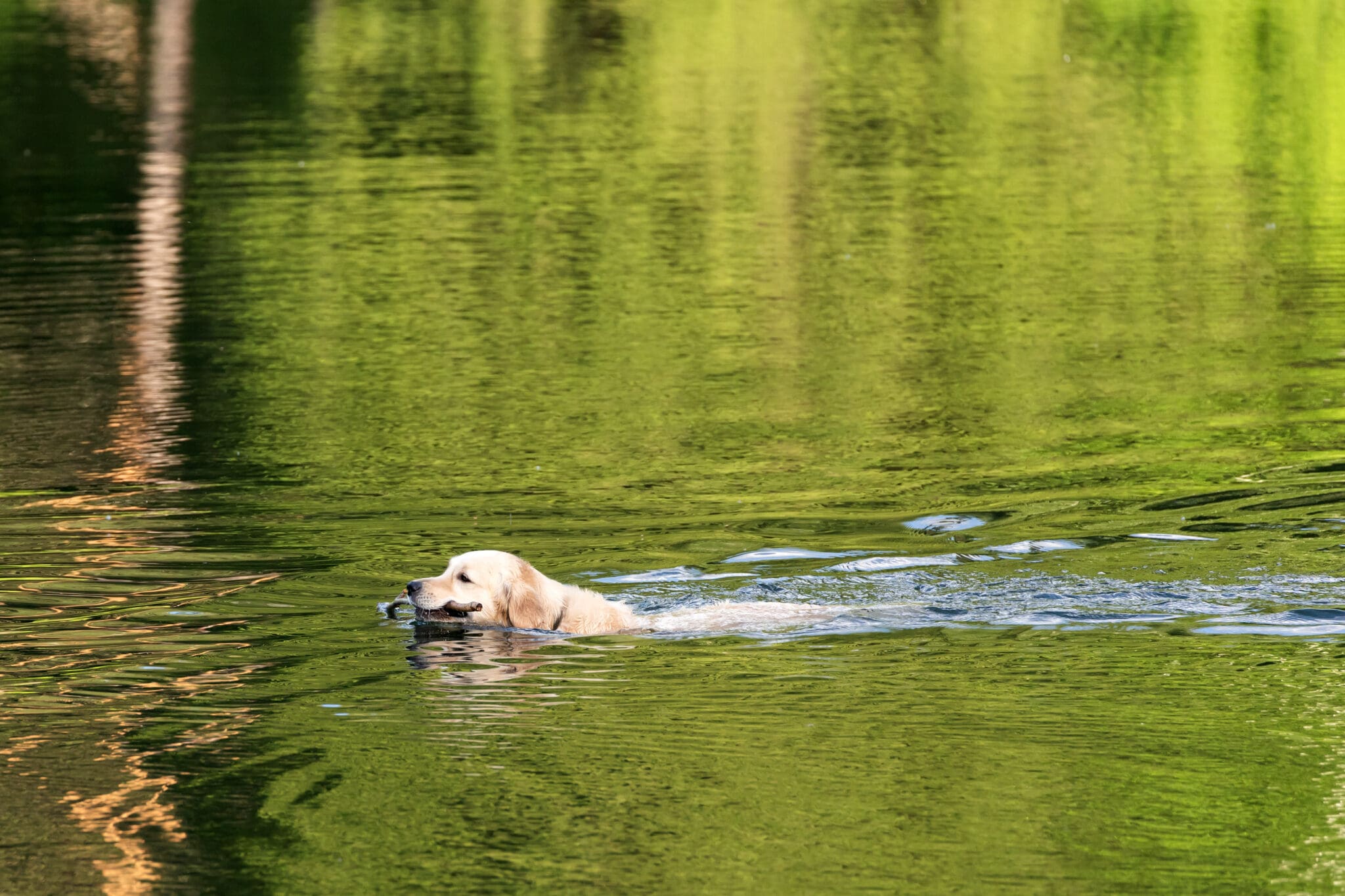
Splashing in lakes, ponds, or streams is one of many dogs’ favorite activities—but not all water sources are safe. Natural bodies of water can harbor microscopic parasites and infectious organisms that pose serious health risks to pets. Two notable culprits are Giardia, a common intestinal parasite, and Pythium insidiosum, the organism behind a rare but often deadly infection known as Pythiosis.
Understanding these waterborne threats—and taking simple precautions—can help protect your pet’s health year-round.
Giardia: The Common Culprit
Giardia is a microscopic intestinal parasite that infects many species, including dogs, cats, and humans. Pets typically become infected by drinking or licking water or surfaces contaminated with feces from another infected animal.
Once ingested, Giardia attaches to the intestinal wall, causing irritation and poor nutrient absorption.
Common signs include:
- Soft or greasy stools
- Diarrhea, sometimes with mucus
- Weight loss or poor appetite
- Lethargy or decreased energy
Because these symptoms mimic other digestive conditions, diagnostic testing is essential for accurate treatment.
Treatment & Prevention:
- Antiparasitic medication (such as fenbendazole or metronidazole)
- Thorough cleaning of bowls, bedding, and surfaces
- Regular bathing to remove lingering cysts from fur
- Avoiding stagnant or unknown water sources
- Routine fecal exams to catch infections early
With prompt veterinary care, most pets recover fully from Giardia infections.
Pythiosis: The Rare but Serious Waterborne Infection
While Giardia is common and treatable, Pythiosis is a much rarer—but far more dangerous—disease caused by a fungus-like organism called Pythium insidiosum. It thrives in warm, standing water and decaying vegetation, where pets can encounter it through open wounds or by ingesting contaminated water.
Types of Pythiosis:
- Gastrointestinal (GI) Pythiosis: Occurs when pets ingest contaminated water or vegetation. It causes severe inflammation of the stomach and intestines.
- Cutaneous (Skin) Pythiosis: Occurs when the organism enters through open wounds or abrasions, leading to deep, non-healing lesions.
Symptoms of Pythiosis in Dogs and Cats:
- Chronic vomiting or diarrhea (often with blood)
- Weight loss and poor appetite
- Abdominal pain or bloating
- Non-healing skin sores or draining tracts
- Lethargy and general weakness
Because Pythiosis can progress quickly and mimic other conditions, early diagnosis is crucial.
Diagnosis & Treatment:
Diagnosis typically involves blood tests, biopsies, or molecular testing (PCR) to detect Pythium DNA.
Treatment can be challenging and may require:
- Surgical removal of infected tissue when possible
- Antifungal or immunotherapy medications
- Long-term follow-up, as recurrence is common
Unfortunately, the prognosis depends heavily on how early the infection is detected and treated.
Preventing Waterborne Infections in Pets
You can significantly reduce your pet’s risk of waterborne illness with a few proactive steps:
- Avoid letting pets drink or swim in standing water, especially after rain or during warm weather.
- Always bring fresh water on walks, hikes, or outdoor trips.
- Rinse and dry your pet thoroughly after swimming.
- Keep up with routine parasite screening and veterinary checkups.
- Seek veterinary care promptly if your pet develops digestive issues, wounds that won’t heal, or unexplained weight loss.
Waterborne organisms like Giardia and Pythium can cause anything from mild digestive upset to life-threatening illness. The good news? Most of these risks can be prevented through vigilance, clean water habits, and regular veterinary care.
If your pet develops symptoms after contact with natural water sources, call us or an emergency veterinarian right away. Early testing and treatment can make all the difference in recovery and long-term health.
Recent Posts
About Us
At Partners Veterinary Group, we believe in energizing our team members through shared values, while helping them create value for our clients and patients. Knowing we can help make pets' and people's lives better motivates us to continually strive for excellence and love what we do.
Our team consistently works to build educational, supportive, and cooperative work environments that cater to positive experiences and professional growth. We're constantly evolving, creating innovative ways to deliver cutting-edge medicine to our patients. We equip our teams with tools to enhance their skills and improve their knowledge.