

Hip Dysplasia in Dogs: Veterinary Diagnosis and Treatment Options
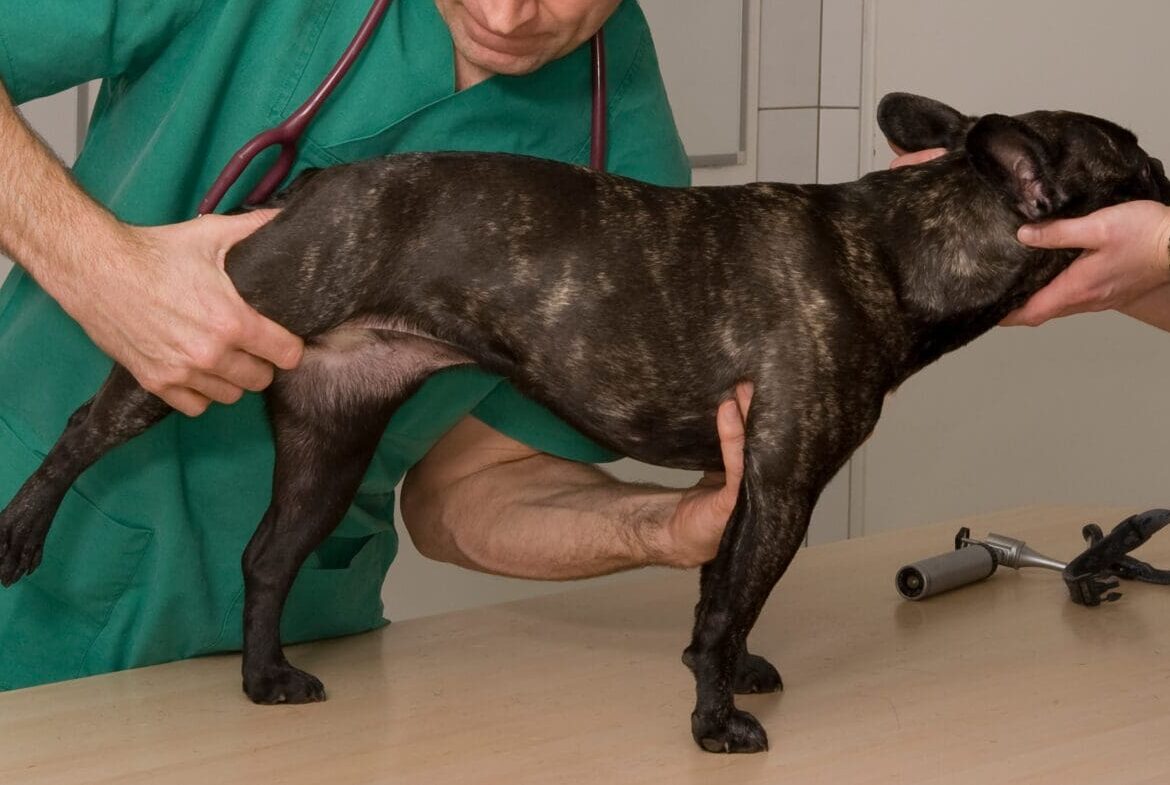
If your dog is slowing down, hesitant to jump, or showing signs of hip pain, one possible diagnosis is Hip dysplasia. This structural condition affects the hip joint and can cause discomfort, limited mobility, and arthritis. At Partners Animal Hospital – Fruitville, we work with you and your dog to identify hip dysplasia early and tailor a treatment plan that supports mobility, comfort and quality of life.
What is hip dysplasia?
Hip dysplasia occurs when the hip joint (ball and socket) doesn’t develop or fit properly. Over time, that joint instability causes wear and tear, inflammation and arthritis. While commonly seen in large-breed dogs, any size dog can be affected. The genetic component is strong, but environment, nutrition and growth rate play a role.
Signs your dog may have hip dysplasia
Watch for:
- Difficulty getting up or lying down, slower to rise
- Reluctance to jump into the car or onto furniture
- Bunny-hopping gait when running (rear legs move together)
- Decreased activity, stiffness after rest
- Audible clicking or popping in hips (in some dogs)
- Hind-leg muscle loss (wasting) as the dog favors forelimbs
If you notice any of these signs, an orthopedic evaluation is recommended sooner rather than later.
How we diagnose it
At the clinic we’ll perform:
- A full orthopedic and neurologic exam to rule out other causes (e.g., injury, spinal disease).
- Diagnostic imaging (such as hip-extended radiographs) to assess joint conformation and arthritis.
- Sometimes advanced imaging (CT, MRI) or referral to a specialist if needed.
Once diagnosed, we determine the stage of disease (early dysplasia, mild arthritis, advanced arthritis) and craft a plan.
Treatment options: conservative to surgical
We offer a spectrum of interventions to match your dog’s age, severity and lifestyle:
Conservative (non-surgical) care
- Weight management: keeping your dog lean reduces joint stress.
- Low-impact exercise: swimming, leash walks and avoiding repetitive stair jumping.
- Physical therapy, hydrotherapy and targeted strengthening.
- Pain and anti-inflammatory medications (NSAIDs, joint supplements) under veterinary supervision.
- Prescription joint diets and supplements (chondroitin, glucosamine, omega-3s) to support joint health.
- Environmental modifications: ramps, orthopedic beds, no slippery floors.
Surgical options
If conservative care is insufficient, surgery may be recommended. Options include:
- Juvenile pubic symphysiodesis (JPS) or double/triple pelvic osteotomy (DPO/TPO) for young dogs with minimal arthritis.
- Femoral head and neck ostectomy (FHO) for smaller dogs or those not ideal for other surgeries.
- Total hip replacement (THR) offers the best functional outcome in many cases for advanced dysplasia in suitable candidates.
Your veterinary surgeon will discuss the best option for your dog’s size, age, activity level and financial considerations.
What you can do at home
- Keep your dog at or slightly below ideal weight — every pound counts.
- Use ramps or steps to reduce jumping/falling risk.
- Encourage swimming or gentle exercise rather than high-impact running.
- Provide a supportive orthopedic bed in a quiet area for rest.
- Monitor for changes in mobility, willingness to play, or signs of pain and bring those to us promptly.
Conclusion
While hip dysplasia is a serious condition, many dogs live happy, active lives with early diagnosis and thoughtful care. At Partners Animal Hospital – Fruitville, we partner closely with you to assess your dog’s hips, spot trouble early, and tailor a treatment plan that fits your dog’s lifestyle and health needs. If you’ve noticed your dog slowing down, having trouble rising, or just acting “less like themselves,” call us or book an appointment today to schedule an orthopedic evaluation—we’re here to help every jump, walk and tail-wag along the way.
Recent Posts
About Us
At Partners Veterinary Group, we believe in energizing our team members through shared values, while helping them create value for our clients and patients. Knowing we can help make pets' and people's lives better motivates us to continually strive for excellence and love what we do.
Our team consistently works to build educational, supportive, and cooperative work environments that cater to positive experiences and professional growth. We're constantly evolving, creating innovative ways to deliver cutting-edge medicine to our patients. We equip our teams with tools to enhance their skills and improve their knowledge.