

Blue-Green Algae Toxicity: How to Keep Pets Safe Around Lakes and Ponds
Spending time near the water is one of life’s simple pleasures—for us and our pets. But while that refreshing dip in the lake or romp by the pond might seem harmless, one hidden danger pet parents should be aware of is blue-green algae, also known as cyanobacteria. These toxic blooms can make pets very sick and, in some cases, can be fatal. Here’s what every pet owner should know to keep their furry family members safe.
What Is Blue-Green Algae?
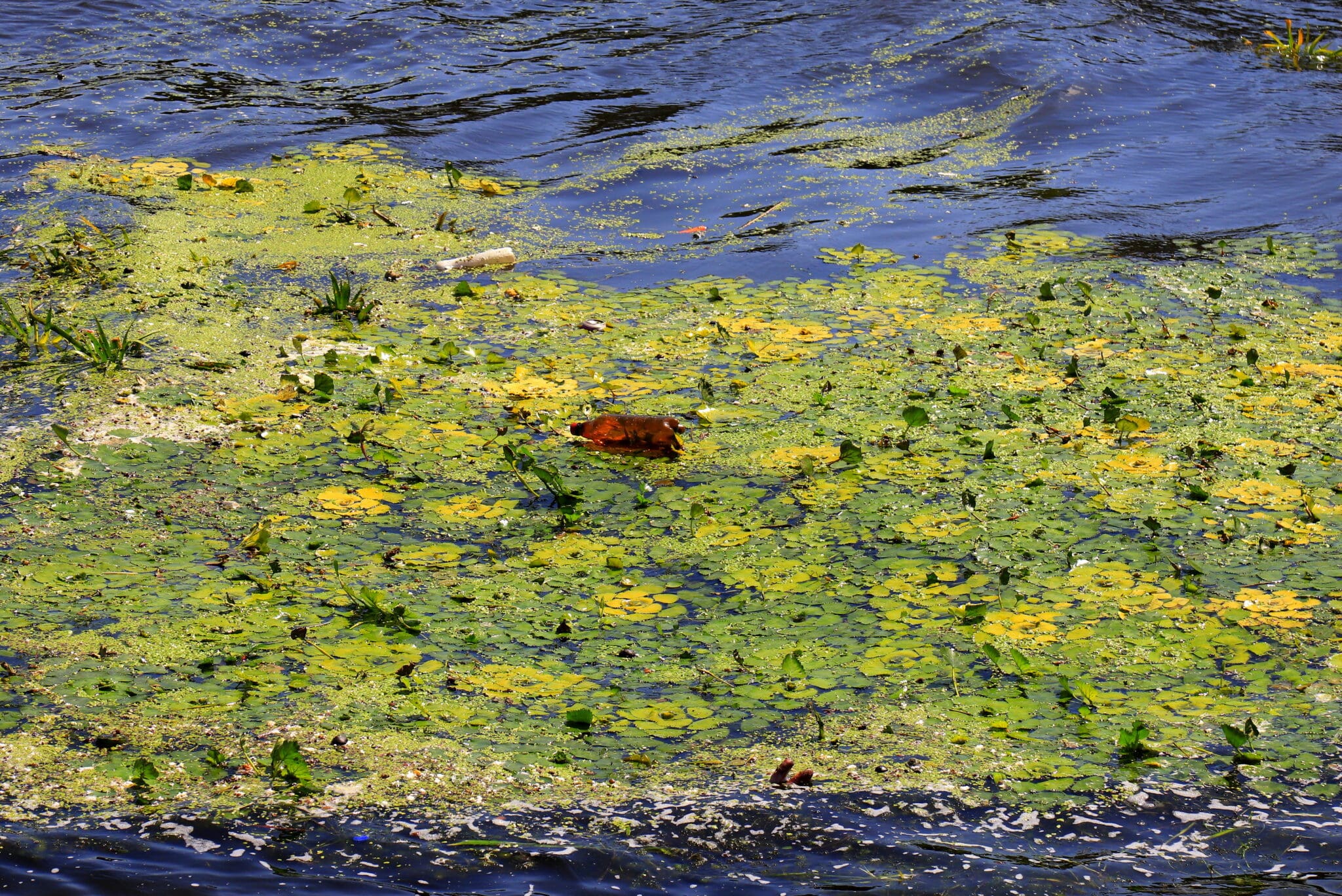
Blue-green algae are actually bacteria (cyanobacteria) that thrive in warm, nutrient-rich, still or slow-moving water—such as ponds, lakes, or reservoirs. When conditions are right—plenty of sunlight, high temperatures, and excess nutrients from fertilizer or runoff—these bacteria can grow rapidly and form thick scums or mats on the surface of the water.
Blooms may look like pea soup, green or blue paint on the surface, or clumps of brownish foam. While they can appear beautiful, they can also release powerful toxins that are harmful to pets, wildlife, and even people.
Why It’s Dangerous for Pets
Dogs are most at risk because they love to swim, fetch sticks, or drink from outdoor water sources. They can also ingest toxins when they lick algae off their fur after playing in contaminated water. Cats are less likely to be exposed but can still be affected if they come in contact with contaminated water or eat prey that has been exposed.
Blue-green algae toxins can damage the liver, nervous system, or skin—and the effects can happen quickly. Even small amounts can cause serious illness.
Signs of Blue-Green Algae Poisoning
If your pet has been swimming or drinking from a lake or pond, watch for these symptoms:
- Vomiting or diarrhea (sometimes with blood)
- Drooling or foaming at the mouth
- Weakness, staggering, or collapse
- Tremors or seizures
- Pale or yellow gums (a sign of liver damage)
- Difficulty breathing
- Skin irritation or rash after contact with contaminated water
Symptoms can appear within minutes to hours of exposure. If you suspect your pet has been exposed, it’s a medical emergency—contact your veterinarian immediately.
What to Do if You Think Your Pet Was Exposed
- Stop exposure right away. Don’t let your pet lick or groom themselves.
- Rinse your pet thoroughly with clean water to remove any residue—wear gloves to protect yourself.
- Seek veterinary care immediately. Bring a photo of the water (if safe to take) or note the location for reference.
- Do not induce vomiting unless directed by your veterinarian. Some toxins can worsen when vomited back up.
At the hospital, your veterinarian may perform bloodwork, start IV fluids, and provide medications to protect the liver, control seizures, and stabilize your pet’s condition.
How to Prevent Blue-Green Algae Poisoning
- Avoid stagnant water. If the water looks discolored, has surface scum, or smells foul, keep your pet away.
- Keep clean water handy. Offer plenty of fresh water so your pet isn’t tempted to drink from lakes or puddles.
- Pay attention to local advisories. Many parks and state agencies issue alerts when algae blooms are detected.
- Rinse after swimming. Even if the water looks clean, rinse your pet after every swim to remove any unseen contaminants.
- Be cautious year-round in warm climates. Algae blooms can occur outside of summer months in some areas.
The Bottom Line
Blue-green algae can pose a serious threat to pets, but awareness and prevention go a long way in keeping them safe. If you ever suspect that your dog or cat has been exposed, act fast and call us or book an appointment right away—early treatment can save lives.
At Partners Animal Hospital – Fruitville, our team is here to guide you through all aspects of your pet’s care, from wellness and prevention to emergency treatment when the unexpected happens.
Recent Posts
About Us
At Partners Veterinary Group, we believe in energizing our team members through shared values, while helping them create value for our clients and patients. Knowing we can help make pets' and people's lives better motivates us to continually strive for excellence and love what we do.
Our team consistently works to build educational, supportive, and cooperative work environments that cater to positive experiences and professional growth. We're constantly evolving, creating innovative ways to deliver cutting-edge medicine to our patients. We equip our teams with tools to enhance their skills and improve their knowledge.